EIFS vs Traditional Stucco: Which One for Your Home?

I install both every season. Here’s the honest comparison — insulation, cracking, cost, lifespan — and which one I’d put on your particular wall.

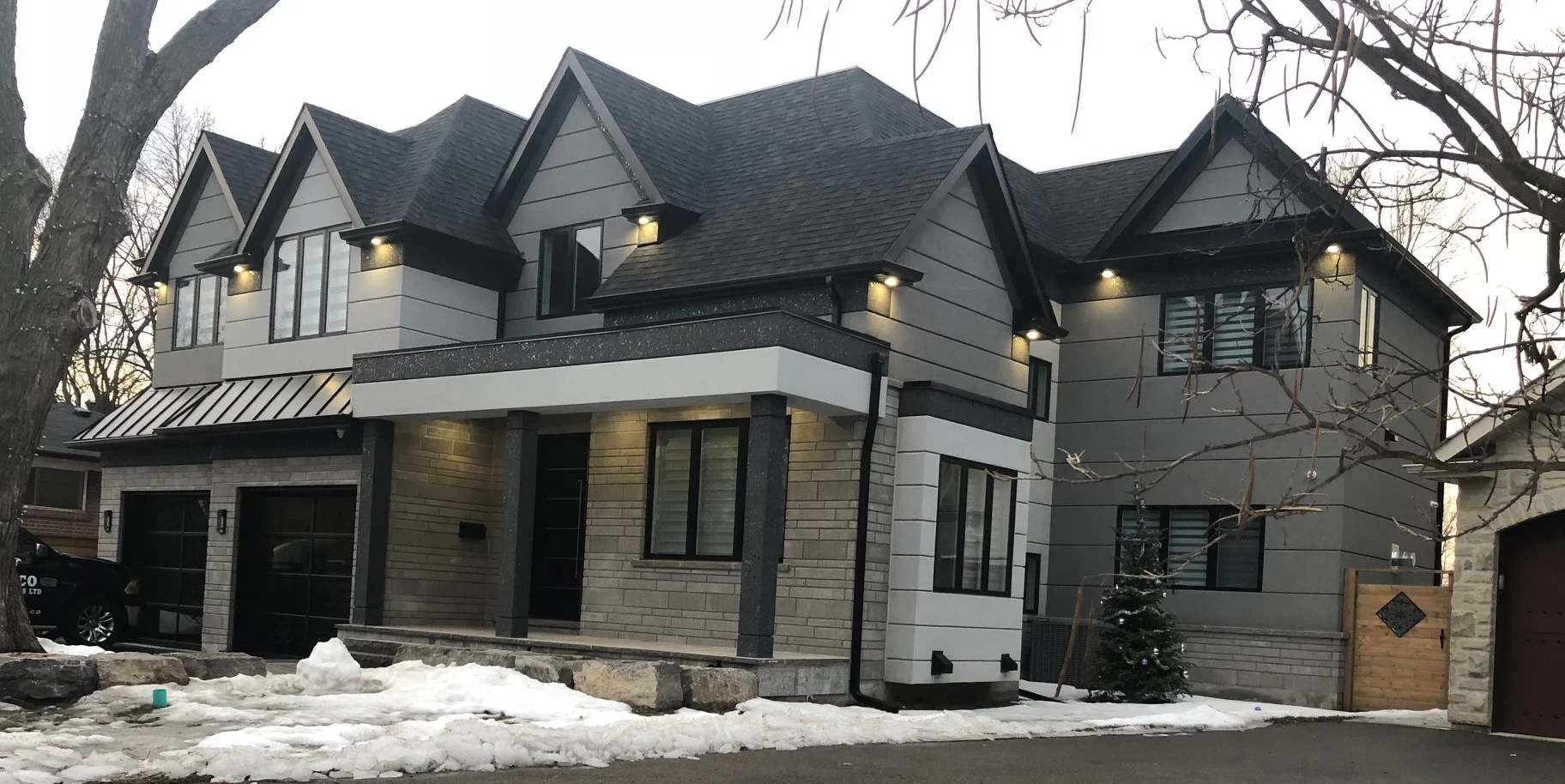
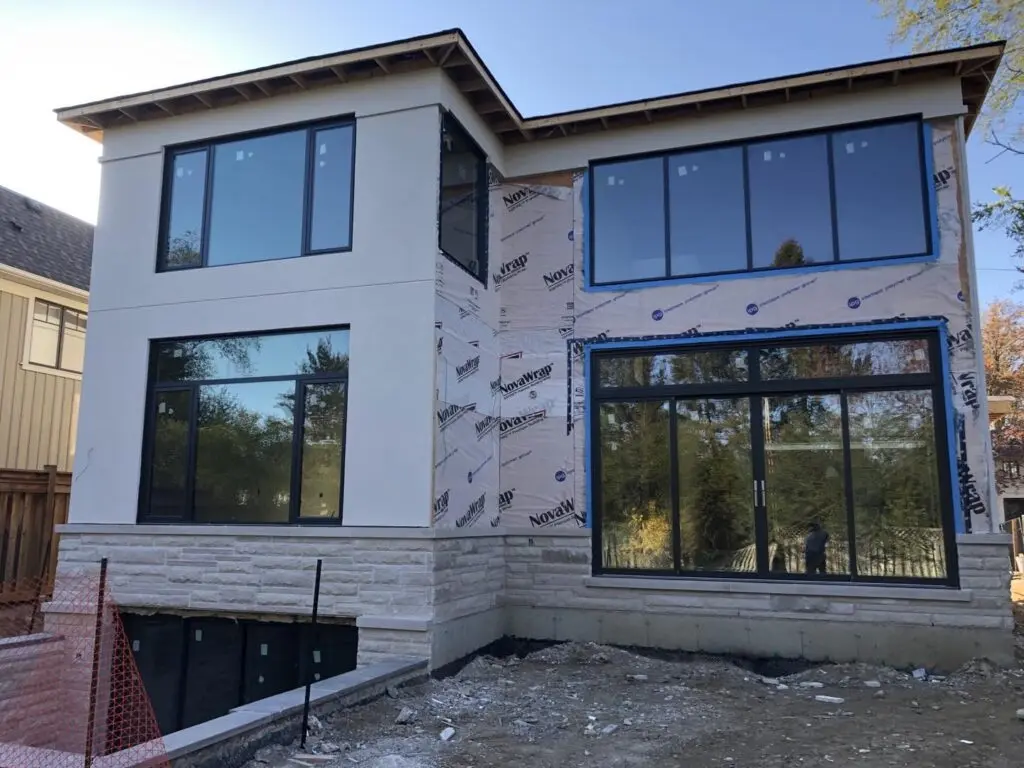
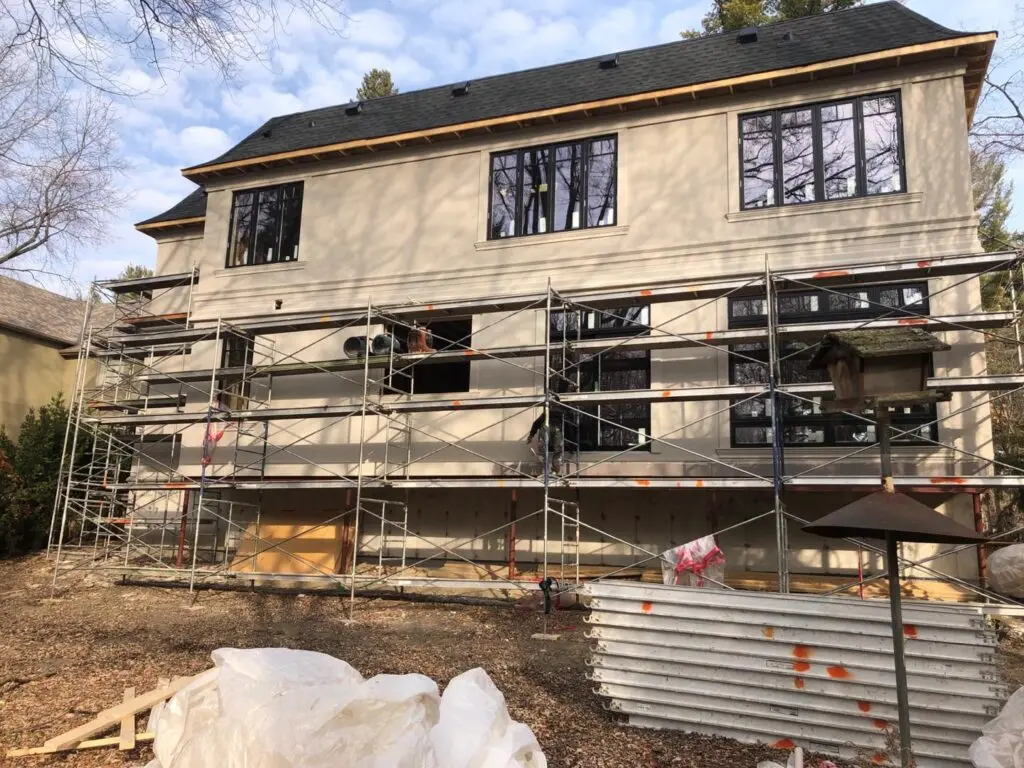
EIFS vs Traditional Stucco: Which One for Your Home? — Stucco Wall Systems project photo

Every week someone asks me whether they should choose EIFS or traditional stucco — usually after getting two quotes that seem to describe completely different products. They kind of do. I’ve installed both across the GTA for 25+ years, and the right answer depends on your wall, your budget and what you want the house to do for you. Here’s the comparison I give my own clients.

What’s the difference between EIFS and traditional stucco?

Traditional stucco is a cement-based hard coat applied over lath — a masonry skin. EIFS (Exterior Insulation and Finish System) is a layered system: foam insulation board, a reinforced base coat, and an acrylic finish with colour mixed all the way through. One is a rock; the other is a warm coat with a durable shell.

Traditional cement stuccoInsulated EIFS (acrylic)
What it isCement hard coat over lathFoam insulation + base coat + acrylic finish
Insulation valueNone addedContinuous foam layer wraps the wall
ColourPainted (repaint every 8–12 yrs)Integral — the colour is the finish
Hairline crackingMore prone (rigid)More flexible, fewer hairlines
Impact resistanceVery highGood; impact mesh at grade where it counts
Typical GTA cost$8–$12 / sq ft$11–$16 / sq ft

Which one is better for GTA winters?

For energy performance, EIFS wins — the continuous foam layer stops heat leaking through the studs, which matters in a climate that swings from -20°C to a January thaw and back. Cement stucco handles our freeze-thaw fine structurally, but it insulates nothing and moves those heating dollars up the wall and out.

Continuous exterior insulation isn’t a sales line — it’s the same principle behind Natural Resources Canada’s efficiency guidance and the direction the Ontario energy code keeps moving. It’s also why nearly every new custom build we do in Vaughan and Richmond Hill specs acrylic EIFS from the drawings.

When is traditional stucco the right choice?

Cement stucco earns its keep on heritage looks, high-impact zones, and walls that already carry a sound masonry base. If you own a century home in Toronto — Riverdale, Roncesvalles, Cabbagetown — and want to keep the original character, a cement re-work with proper lath repair is often the honest answer, not EIFS over it.

It’s also the pragmatic pick for garage-level walls that take bikes, carts and pucks, and for clients who simply prefer the density and feel of a masonry wall. We detail impact mesh into EIFS at grade for the same reason — but cement is still the tank.

Which should you choose? My honest short-list

Choose based on the job the wall has to do, not the label. This is the same logic I walk through on every site visit:

Your situationMy recommendationWhy
New build or custom homeEIFSInsulation is code-friendly, integral colour, clean modern lines
1980s–90s subdivision re-clad (Erin Mills, Meadowvale)EIFSOriginal stucco is tired; you gain insulation in the same job
Century home, heritage streetscapeTraditional cementKeeps the character; right substrate for it
High-traffic commercial at gradeEither + impact meshDetailing matters more than system
Tired but sound acrylic wallAcrylic re-finishNew finish coat, no rebuild — the budget facelift

Whichever way you lean, the system matters less than the details: control joints on long walls, flashing where water concentrates, sealant that gets renewed. That’s where walls live or die in this climate — and it’s the difference you’re actually paying a good installer for. You can see both systems on real houses in our project portfolio.

Still not sure which wall you have or which you need? Book a free assessment — I’ll look at the actual substrate and tell you which system I’d put on it if it were my house. For full system details, see our residential stucco page.

FAQ

Quick answers

Is EIFS waterproof?
Modern EIFS is a drained system: water that gets behind the finish has a designed path out. That’s a huge improvement over the 1990s “barrier” EIFS that earned the bad reputation. The waterproofing lives in the details — flashing, sealant and drainage — which is exactly where installation quality matters.
Does EIFS really lower heating bills?
Yes — the foam layer wraps the whole wall in continuous insulation, so heat stops leaking through the studs. In a GTA winter that’s a real, measurable saving. Natural Resources Canada’s efficiency guidance is built around exactly this principle: insulate continuously, not just between studs.
Can you put acrylic finish on traditional stucco?
Yes. An acrylic finish coat over a sound cement base gives you the integral colour and flexibility of acrylic without rebuilding the wall. It’s one of the most cost-effective facelifts we do on older GTA homes.
Which lasts longer, EIFS or cement stucco?
Both last decades when detailed properly — control joints, flashing, sealant. Cement is harder to dent; EIFS doesn’t need repainting and resists hairline cracking better. Installation quality decides lifespan far more than the system choice does.
MK
Written by Musa Kastrati
Owner & lead stucco installer, Stucco Wall Systems Ltd.

25+ years installing and repairing stucco, EIFS and stone across the GTA. Based in Oakville — still on the tools with the crews every week.

From the blog

Keep reading

Practical guides written from job-site experience by owner Musa Kastrati.

Finished stucco home exterior by Stucco Wall Systems in the GTA

Ready to upgrade your exterior?

Tell us about your project and get a free, fixed written quote. Oakville-based, serving the whole GTA — open 24 hours.

Get a free quote Call (905) 973-6470