

Stucco Maintenance Guide

Stucco has been a popular choice for homeowners because of its durability, easy maintenance and appearance. Once stucco has been applied properly to a home, it can last up to 50 years if well taken care of!

Stucco Maintenance Guide — Stucco Wall Systems project photo

Stucco has been a popular choice for homeowners because of its durability, easy maintenance and appearance. Once stucco has been applied properly to a home, it can last up to 50 years if well taken care of!

Proper maintenance is the key to ensuring the longevity of your stucco. While stucco is relatively easy and affordable in its upkeep, you would still need to maintain it on a regular basis. If not, over time, it will start to look more worn out, and if not taken care of, will cost you more money to repair. At times, this can lower the value of your home when it comes to curb appeal.

Keep reading if you want to learn more about how to maintain your home’s stucco

Clean

Like any home exteriors, stucco is prone to become dirty pretty easily. Outdoor elements can cause dirt to collect on top of it and can make your home look filthy. Stucco is made up of porous materials, meaning it can absorb and hold onto stains if they are not cleaned off right away. This is why frequent cleaning is quite necessary. Simply spraying your home’s exterior with your garden hose or power washer in a low setting will help you wash the dirt away.

The best method for clearing away dirt from your stucco is to mist it with water at first in order to allow any caked-on dirt to soak and loosen up. After you’ve done this, spray it with higher pressure from top to bottom, which lets the dirt make its way to the ground.

Sealant

When you first get stucco applied to your home, it should also be sealed. Because of its porous nature, stucco needs to be protected against any moisture. Something like a clear concrete masonry sealer is usually applied and this penetrates through the stucco in order to prevent any moisture getting in. One application of sealant at the beginning of installation is a start, but not the end all be all. You will need to reapply sealant every five years or so.

Elastomeric Coating

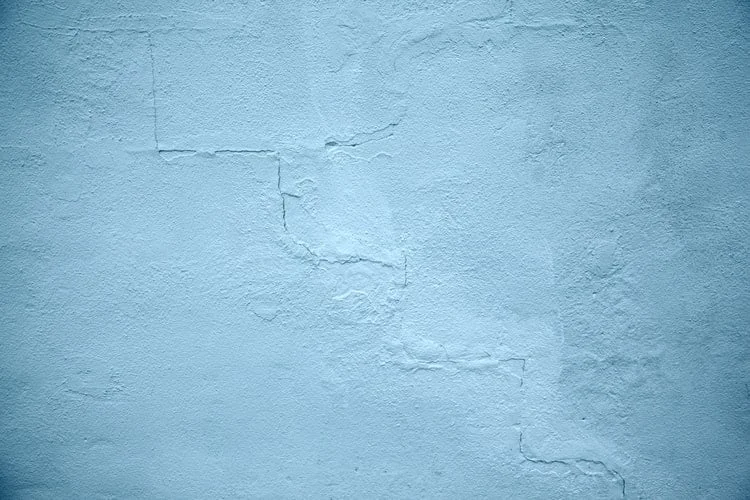
If you’ve got stucco that is older in age, you might want to think about applying an elastomeric coating, especially if you have any cracking. Elastomeric coating is designed to keep moisture out as well as seal up hairline cracks. It also has flexible characteristics, which help it stretch if a crack develops and widens below the seal. This way, your sealant is able to still keep water out as it cracks. This type of sealant will usually last 10 years.

In the end, stucco is a great choice for many homeowners, which does not need much maintenance overall. Although you might need to wash dirt away every few weeks, it’s very low effort using your garden hose. And if you stay on top of chips and cracks with sealant, you can enjoy the attractive look of stucco on your home for decades.

Be the first to know about innovative EIFS solutions and modern stucco styling. Get professional insights and exclusive project updates sent straight to your email every month.

Service Area

  • Work With Us

Upgrade Your Home Exterior Today

Tell us about your project — we’ll deliver expert guidance, durable materials, and a flawless finish.

Stucco Wall Systems Ltd.

Stucco Wall Systems Ltd. provides professional stucco installation, EIFS systems, stone veneer, soffit, fascia, eavestrough, and exterior renovation services across the Greater Toronto Area. We deliver durable, energy-efficient, and visually stunning exterior solutions for residential and commercial properties.

© STUCCO WALL SYSTEMS LTD.

Custom Website Design by LEAD Web Studio

Get a Consultation

A year of stucco maintenance, season by season

Stucco is low maintenance, not no maintenance. Almost every expensive repair we are called to started as a five-dollar sealant joint nobody looked at. Here is the whole year.

Spring — the important one

Walk the exterior after the last frost, when winter damage is visible and there is still a full season to fix it. Look for new cracks (note where they start), dark staining or rust marks below joints and trims, sealant that has hardened, split or pulled away from one side, and any area that sounds hollow when tapped. Check that downspouts still discharge away from the wall — a downspout dumping against stucco will destroy it faster than any winter.

Summer — cleaning and small repairs

Wash the walls with a garden hose and a soft brush, working top down, with a mild detergent on stubborn areas. Never use a pressure washer at close range on stucco or EIFS: it drives water behind the finish and can cut the surface. This is also the season for repairs, because base coats cure properly in the warmth.

Autumn — seal before the freeze

This is the deadline. Anything open when the first freeze-thaw cycle arrives will be wider by spring, because water sitting in a crack expands about nine percent when it freezes. Renew failed caulking, close small cracks, clear the eavestroughs so overflow is not running down the wall, and cut back plants touching the stucco.

Winter — watch, do not work

Keep snow piled away from the base of the wall, and watch for icicles forming from the roof edge over a stucco elevation, which signals ice damming. If you find active water entry in January, it can be temporarily sealed and made watertight, but the permanent repair should wait for spring — cementitious materials will not cure properly below about 5°C.

The five-minute inspection that prevents most repairs

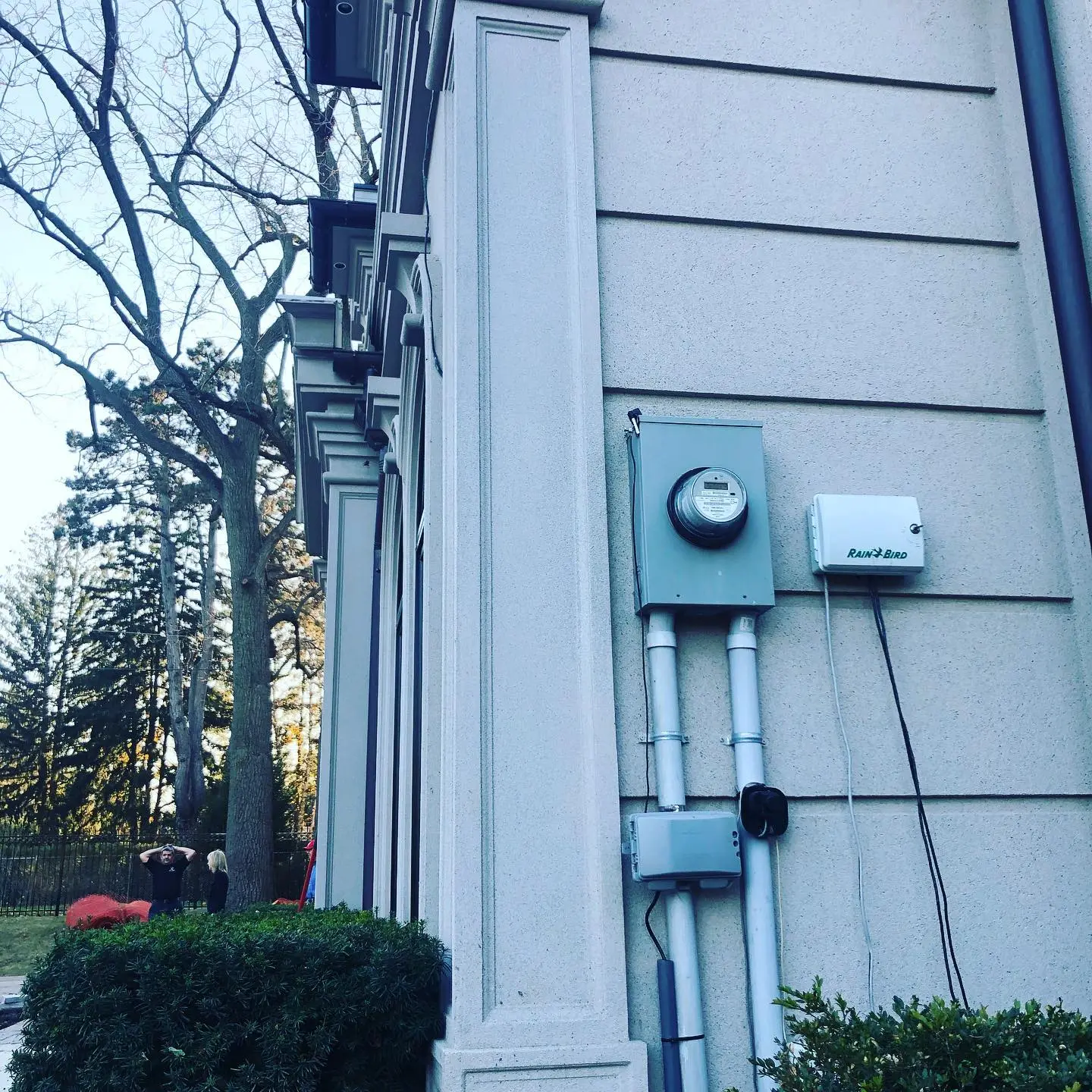
Twice a year, walk the perimeter and check four things: every sealant joint around windows and doors, the bottom edge of the stucco where it meets the foundation, every penetration through the wall (vents, lights, taps, cables), and the ground drainage away from the base. Photograph anything that changed since last time. Those four spots are where the overwhelming majority of stucco water damage begins.

What you should never do to stucco

Never pressure wash at close range. Never paint EIFS or acrylic stucco with ordinary house paint — it traps moisture in a wall designed to breathe, which is exactly why painting stucco can be dangerous. Never fill a crack with silicone caulk; it will not take a finish and has to be cut out before a real repair. And never let a downspout, sprinkler or garden bed keep the base of the wall wet.

How long should it last?

A properly installed and maintained stucco or EIFS exterior lasts 30–50 years in Ontario; the finish coat carries integral colour and does not need repainting. Sealants are the wear item and typically need renewing every 5–10 years. More on that in how long stucco lasts in Ontario, and if you do find damage, how stucco repair is done and our repair service cover the next step.

Written by Musa Kastrati
Owner & lead installer, Stucco Wall Systems · 25+ years in stucco, Oakville

Musa still works on the tools after 25+ years and has finished hundreds of stucco and EIFS exteriors across Ontario. This guide comes from that job-site experience. More about Musa →

Put this knowledge to work

Reading about stucco is step one — the walls still need hands. If your exterior shows any of the symptoms covered here, start with a proper assessment instead of a patch kit:

ServiceStucco Repair

Cracks, holes and water damage fixed with matched finishes.

ServiceResidential Stucco

Full refinishing and EIFS systems for homes.

PortfolioRepair & Restoration Project

See the diagnosis-first process on a real home.

Or call (905) 973-6470 — describing the symptom over the phone takes two minutes and usually tells us what we’re walking into.

From the blog

Keep reading

Practical guides written from job-site experience by owner Musa Kastrati.

Finished stucco home exterior by Stucco Wall Systems in the GTA

Ready to upgrade your exterior?

Tell us about your project and get a free, fixed written quote. Oakville-based, serving the whole GTA — open 24 hours.

Get a free quote Call (905) 973-6470