Restoration

Stucco Restoration in Oakville & the GTA

When patching stops making sense, we bring the whole exterior back — repairs first, then joints and sealants renewed, then complete elevations re-coated so the house reads as new again.

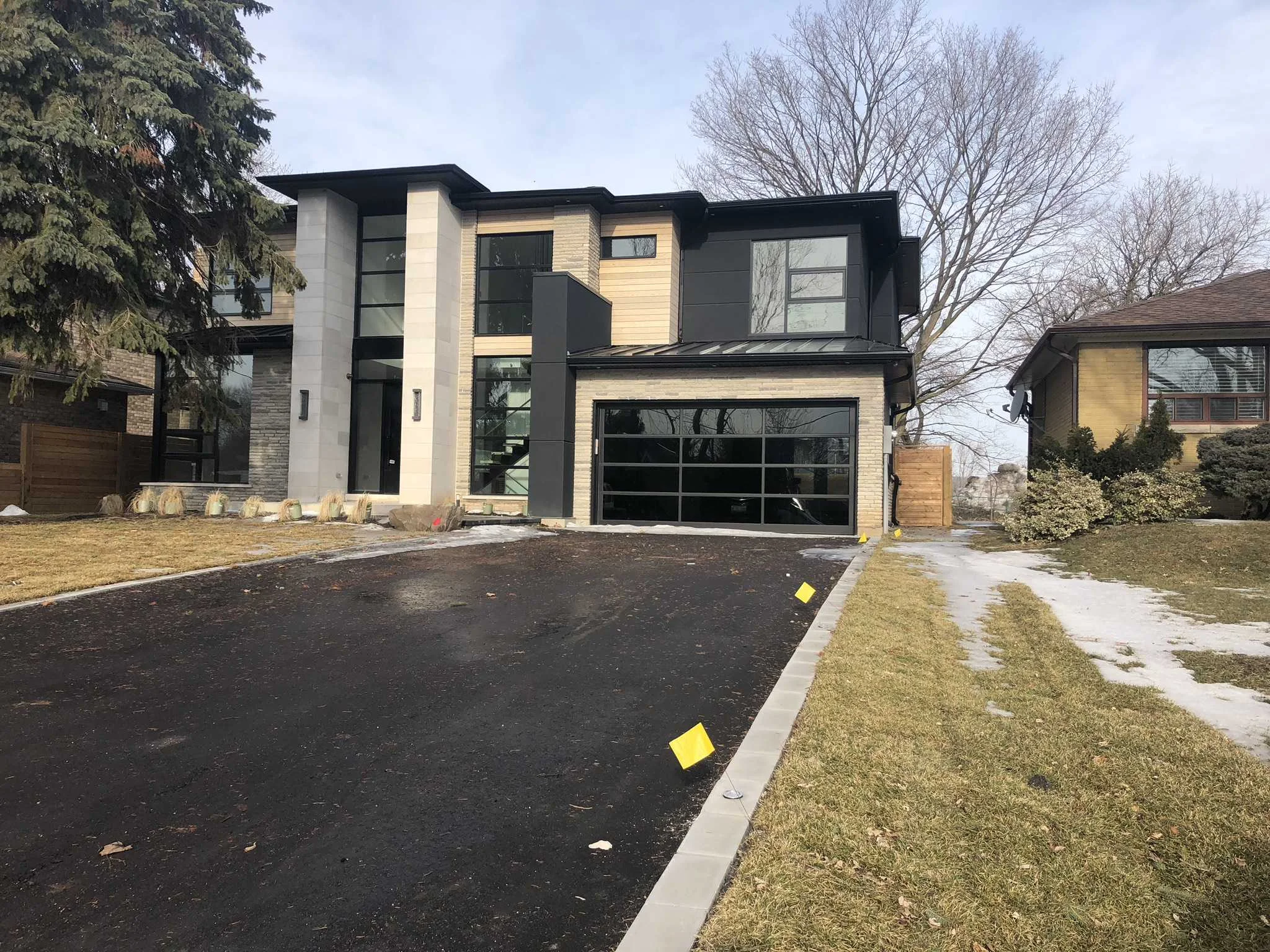
Stucco Restoration in Oakville & the GTA — Stucco Wall Systems project photo
25+Years of hands-on experience
4.3★Google rating — 11 reviews
InsuredFully insured & WSIB covered
FreeFixed written quotes
WarrantyWorkmanship guarantee
GTAOakville-based, GTA-wide
Repair or restoration?

The difference, in one paragraph

A repair fixes a spot. A restoration brings the whole exterior back. If you have three cracks by a window and the rest of the wall is sound, that is a stucco repair and it should cost you a few hundred dollars. If the finish has chalked and faded across every elevation, the caulking has gone hard everywhere, and patches from previous work are visible from the street, patching again is throwing money away. That is restoration: we take the existing system, make it sound, and re-coat it so the house reads as new again — without the cost and disruption of tearing everything off.

Most of the restoration work we do in the GTA is on homes built between 1985 and 2005. The insulation board and substrate are usually still fine. What has aged out is the finish coat, the sealants and the control joints — and all three can be renewed.

Is it time?

Six signs a house needs restoring, not patching

If you recognise three or more of these, restoration is almost always cheaper over ten years than another round of repairs.

Chalky, faded colour

Cosmetic

What you see: A white powder on your hand after touching the wall; the colour is noticeably lighter on the south and west elevations.

What it means: The acrylic binder in the finish has broken down under UV. The wall is not failing, but the finish has reached the end of its service life.

Our restoration: Clean, prime and apply a new integrally coloured finish coat.

Patchwork visible from the street

Fix this season

What you see: Squares and lines of slightly different colour or texture where past repairs were done.

What it means: Each patch was matched to a wall that has since faded further. It will never blend now.

Our restoration: Re-coat complete elevations to natural break lines so there is nothing left to match.

Sealant split all the way round

Fix this season

What you see: Hard, cracked caulking at every window, door and control joint — not just one or two.

What it means: Sealant is a wear item with a 5–10 year life. When it goes everywhere at once, the whole envelope is due.

Our restoration: Cut out and renew every joint with backer rod and elastomeric sealant.

Widespread map cracking

Fix this season

What you see: A fine web of cracks over large areas rather than a single line.

What it means: The base coat is fatigued. Individually harmless; collectively, they are a lot of small doors for water.

Our restoration: Re-mesh and rebuild the base coat, then finish.

No control joints anywhere

Call us now

What you see: Long uninterrupted runs of stucco with cracks appearing at floor lines or above openings.

What it means: The original installer skipped movement joints. The wall has nowhere to expand, so it cracks instead.

Our restoration: Cut proper joints into the system and rebuild around them.

Hollow or stained areas

Call us now

What you see: Sections that sound hollow when tapped, or dark and rust streaks below joints.

What it means: Water is already behind the system. This part is a repair, and it must happen before any re-coating.

Our restoration: Open up, dry out, rebuild the assembly, then restore the elevation.
Not sure which category you are in? Text a photo to (905) 973-6470. If a repair will do, we will tell you that — see why the cheapest quote usually costs more.

How a restoration runs

Five stages, in order

1. Full assessment, elevation by elevation. We tap for hollow areas, check every joint and penetration, look at drainage and flashing, and identify which system is actually on the house — traditional cement, acrylic over foam, or parged block. Nothing is quoted before this is done, because restoring the wrong system is how expensive mistakes start.

2. Repairs first. Any damaged, debonded or water-affected section is cut back to sound material and rebuilt. There is no point putting a new finish over a wall that is failing underneath.

3. Joints and detailing. Control joints are cut where they should have been. Every sealant joint is cut out and renewed. Flashings and sills are corrected where water is being directed into the wall rather than out of it.

4. Base coat and mesh where needed. On walls with widespread fatigue cracking we embed fresh mesh in a new base coat, which is what stops the old crack pattern coming back through the new finish.

5. Finish coat, whole elevations. A new integrally coloured finish goes on complete elevations, ending at corners and control joints. That is why a proper restoration looks like a new house rather than a repaired one — and why the colour never needs repainting.

Cost

What restoration costs in the GTA

Restoration is priced by elevation, not by the crack. These are the 2026 ranges we quote from before seeing your walls; the written quote we give you afterwards is fixed.

WorkTypical range
Full elevation refinishClean, prime and new integrally coloured finish coat$9 – $16 / sq ft
Re-mesh + new base coat + finishWhere the existing base coat is fatigued or map-cracked$14 – $24 / sq ft
Section rebuild before restoringWater-damaged areas taken back to the substrate$18 – $34 / sq ft
Control joints cut into an existing systemWhere the original job had none$14 – $26 / linear ft
Full sealant renewalWindows, doors, trims and joints, backer rod included$6 – $12 / linear ft

A whole-house restoration on an average GTA detached home usually lands between $14,000 and $34,000 — typically 40–60% of what a full tear-off and replacement would cost, because the insulation and substrate stay in place.

Systems

What we restore

Acrylic stucco & EIFS

1985–2005 subdivisions

The most common restoration we do. Foam and board are usually sound; the finish, sealants and joints are renewed. See EIFS vs traditional stucco.

Traditional cement stucco

Older homes, often over lath or block

Harder, more brittle, and usually cracked at movement points. Restored with cementitious repair mortars and a compatible finish — never a film-forming paint.

Parged block & foundations

Bungalows, older builds, garage walls

Spalled and hollow parging removed and rebuilt, then finished to match. Often paired with a full stucco upgrade.

Previously painted stucco

The hardest starting point

Paint traps moisture in a wall built to breathe. We assess whether the coating can stay or has to come off — read why painting stucco is risky before anyone rolls paint on your house.

How we work

From first call to finished wall

Site visit & honest diagnosis

We look at the actual walls and tell you what they need — and what they don’t.

Fixed written quote

System, prep, colour and timeline on paper. No hourly surprises.

Prep, detailing & finish

Control joints, mesh, flashing and finish coats done the way they should be.

Clean-up & walkthrough

Site left clean, and you sign off on the result before we leave.

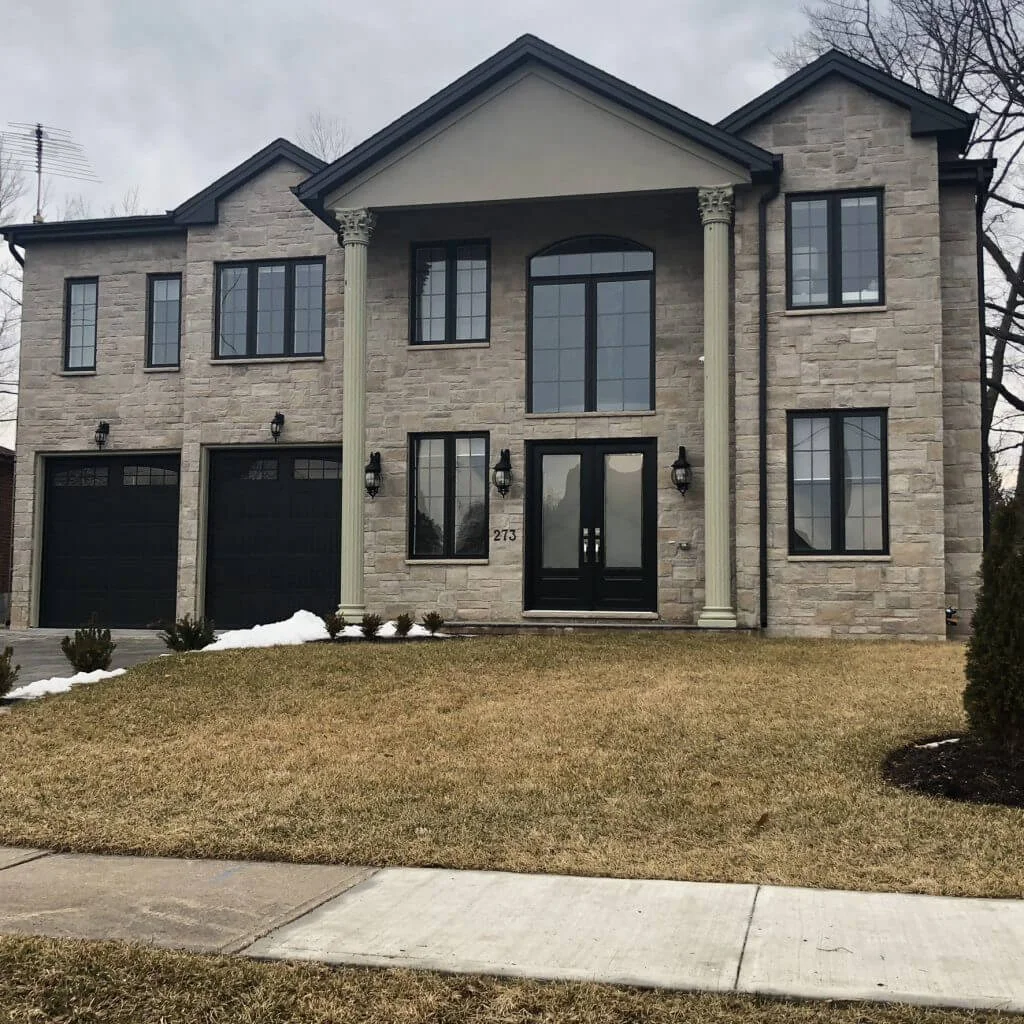
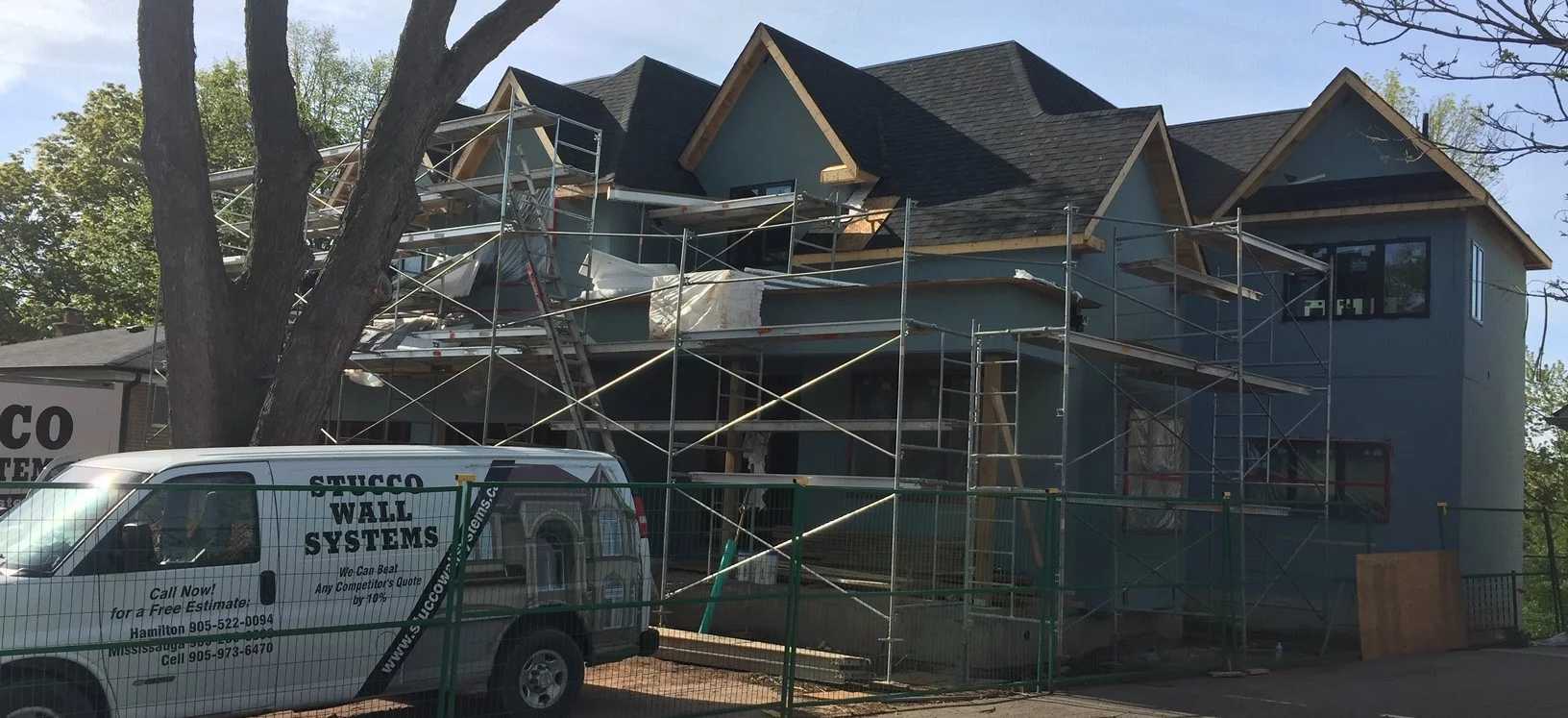
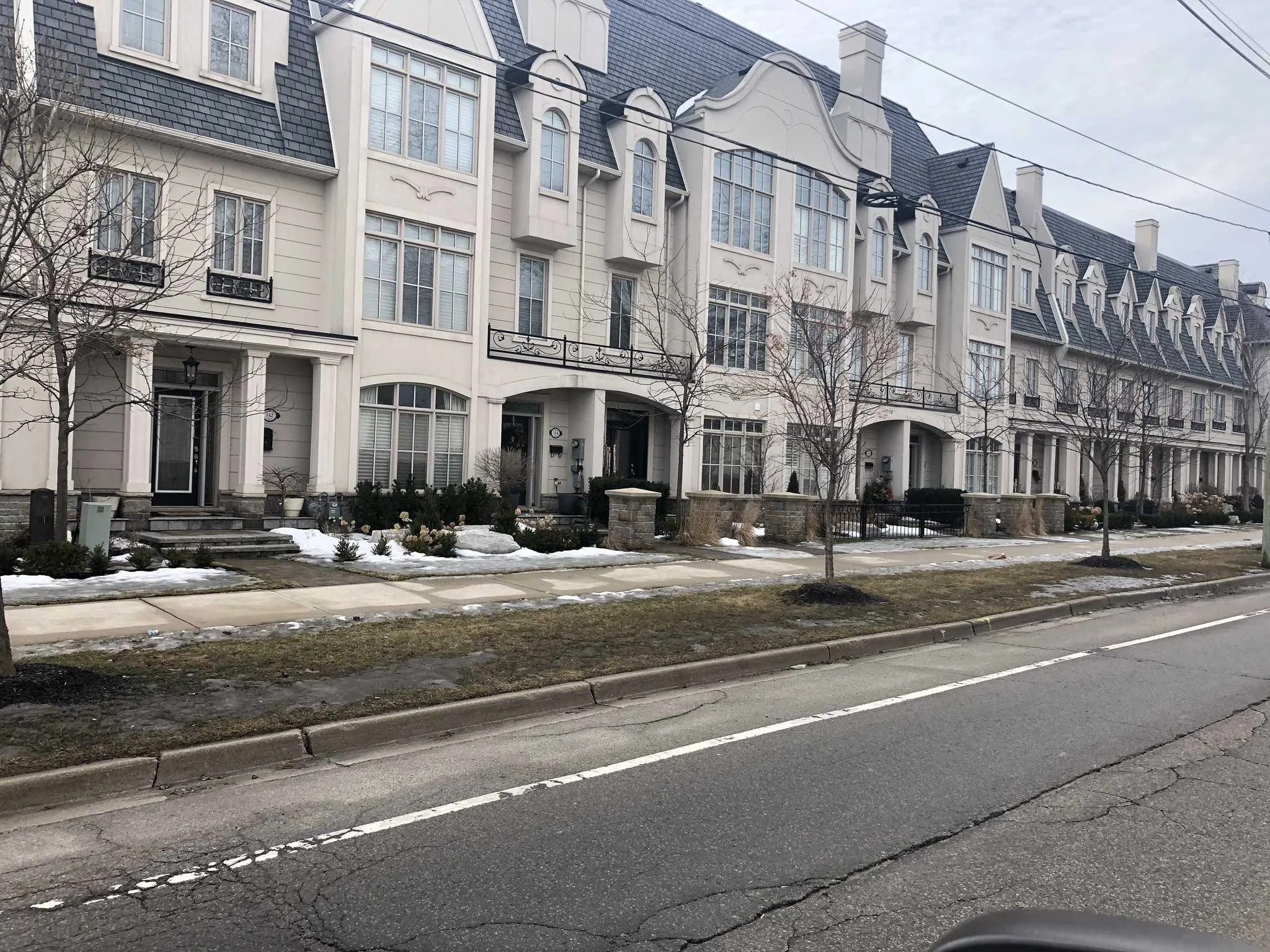
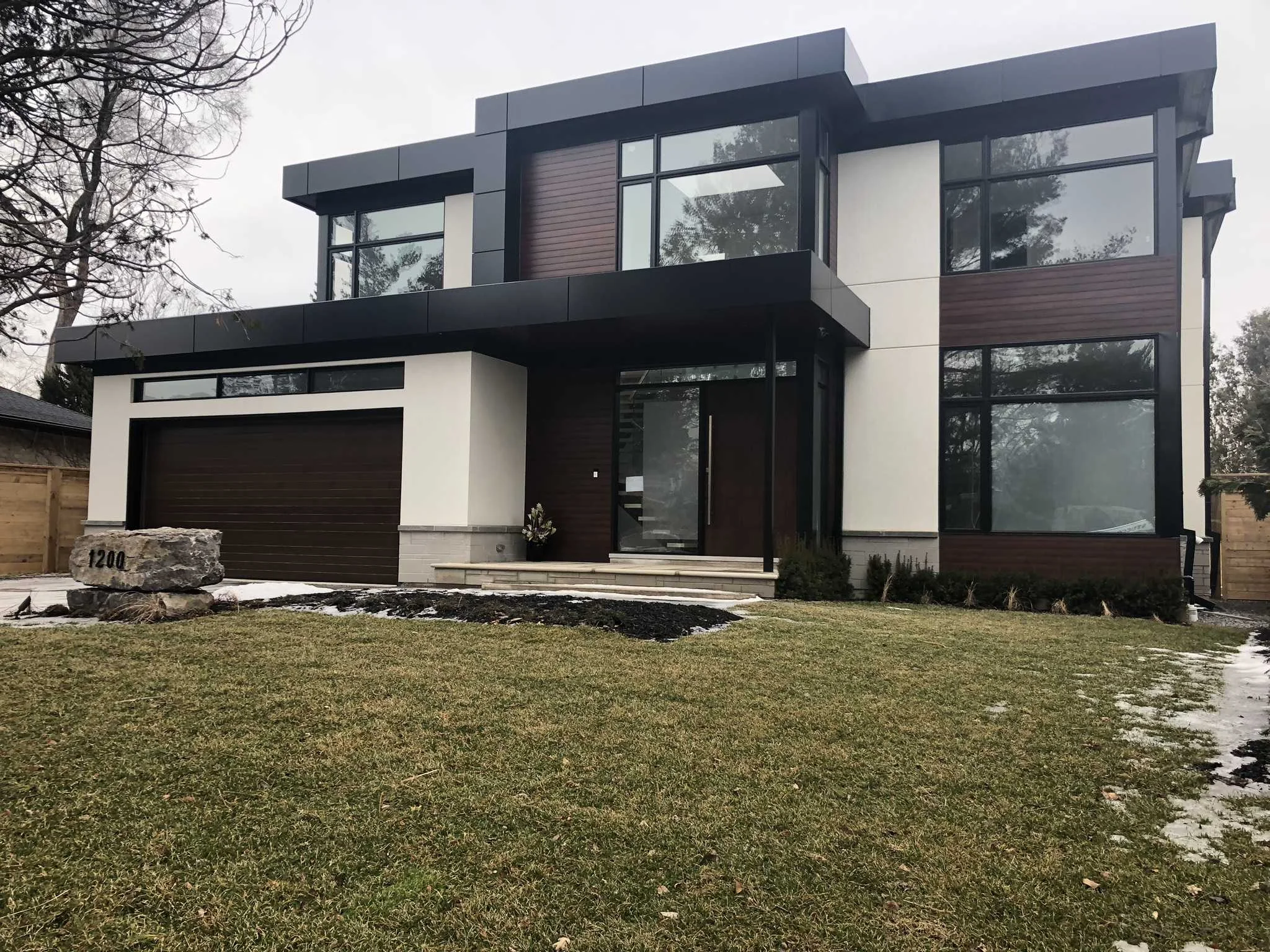
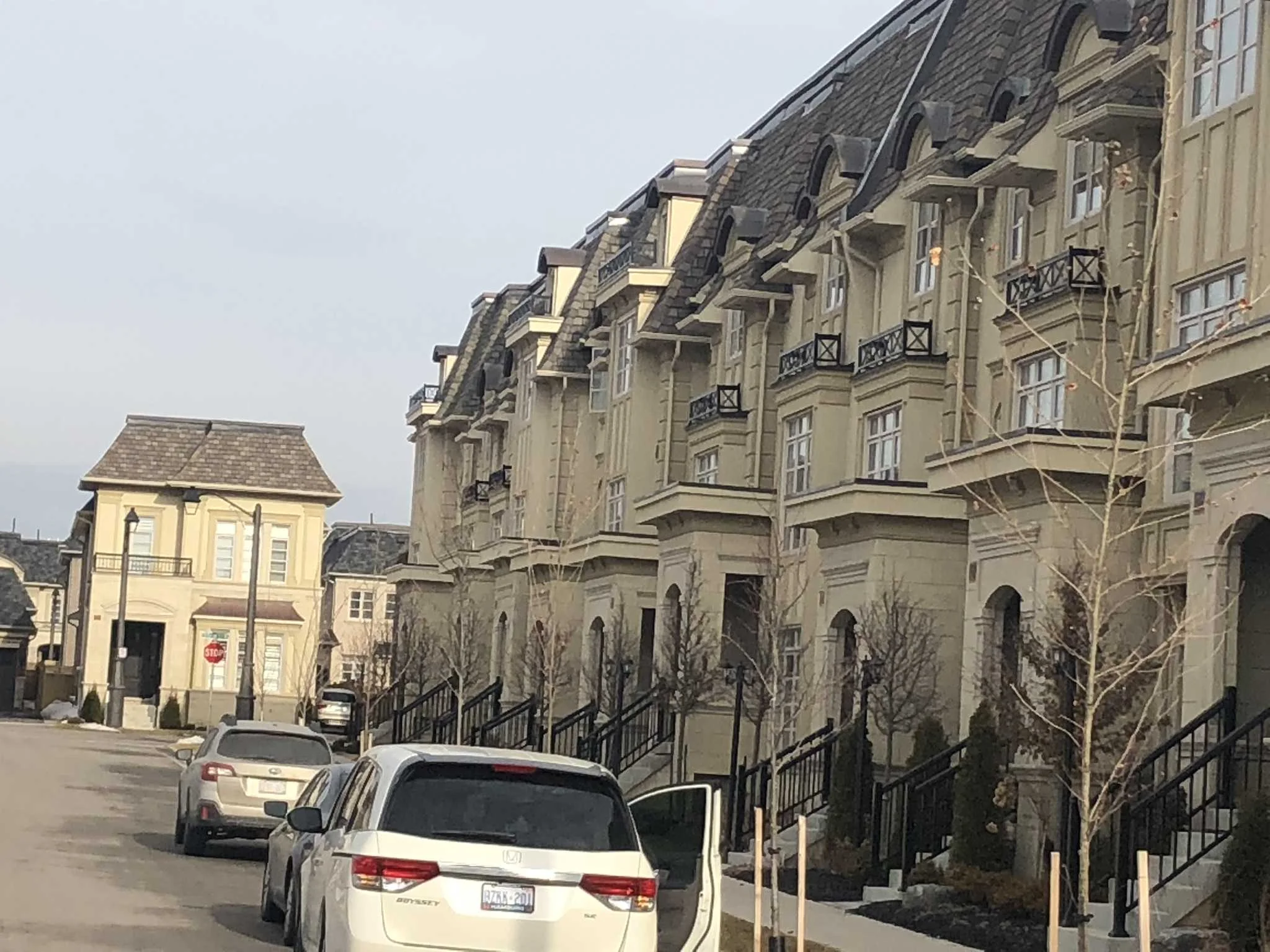
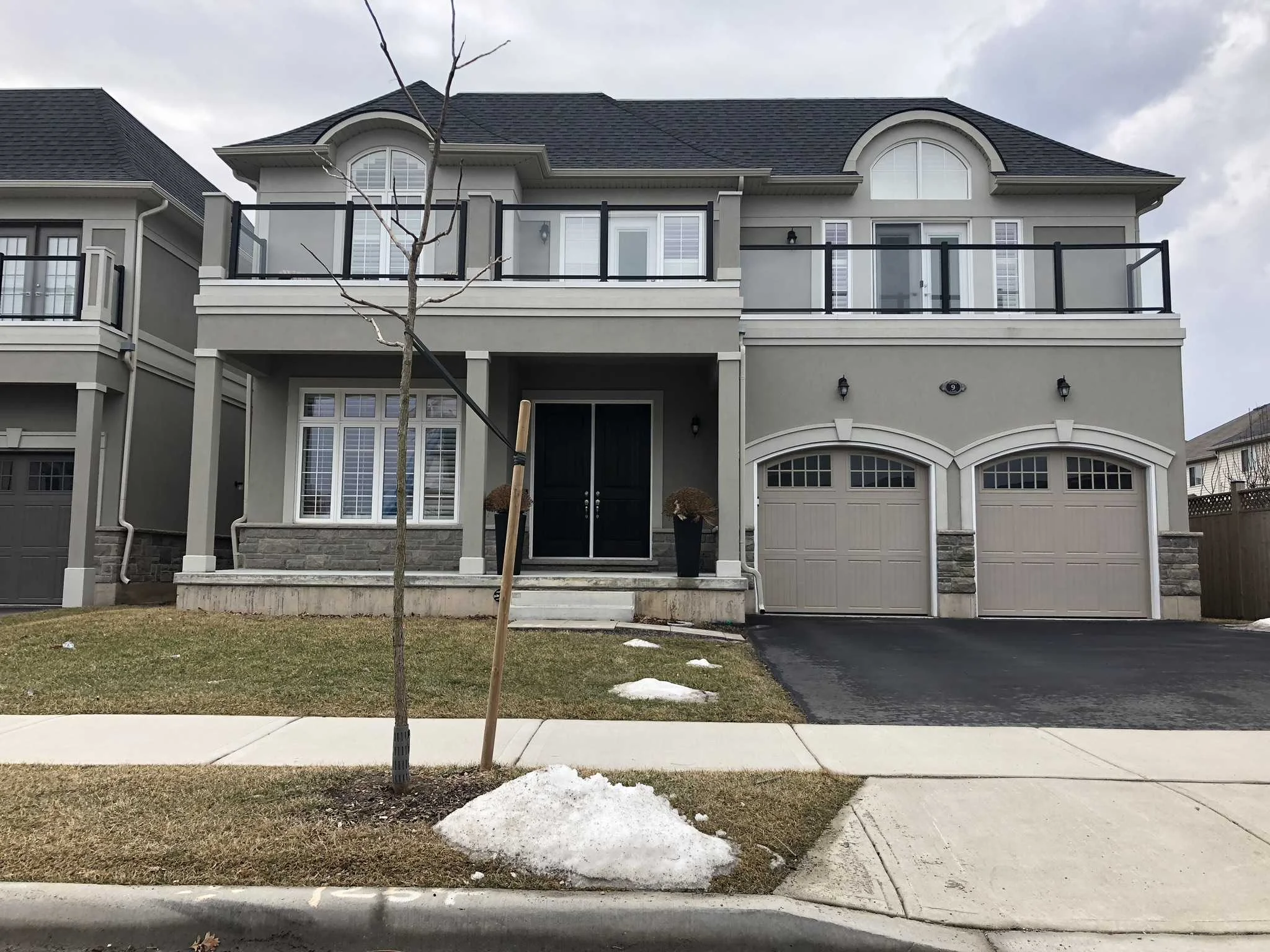
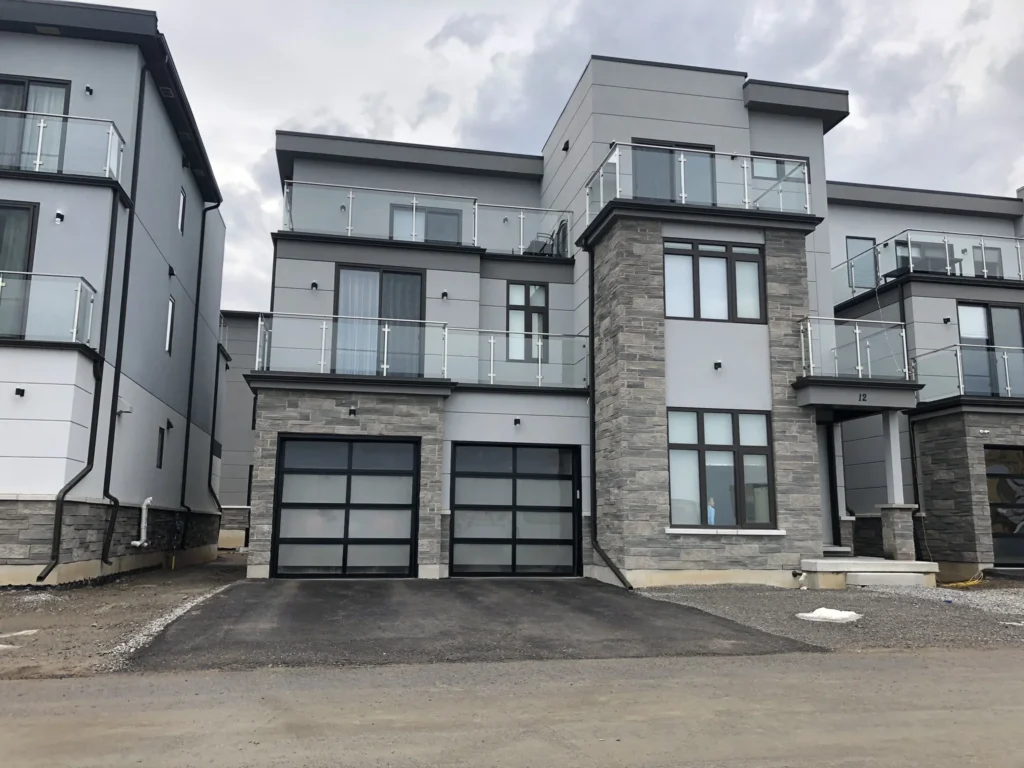
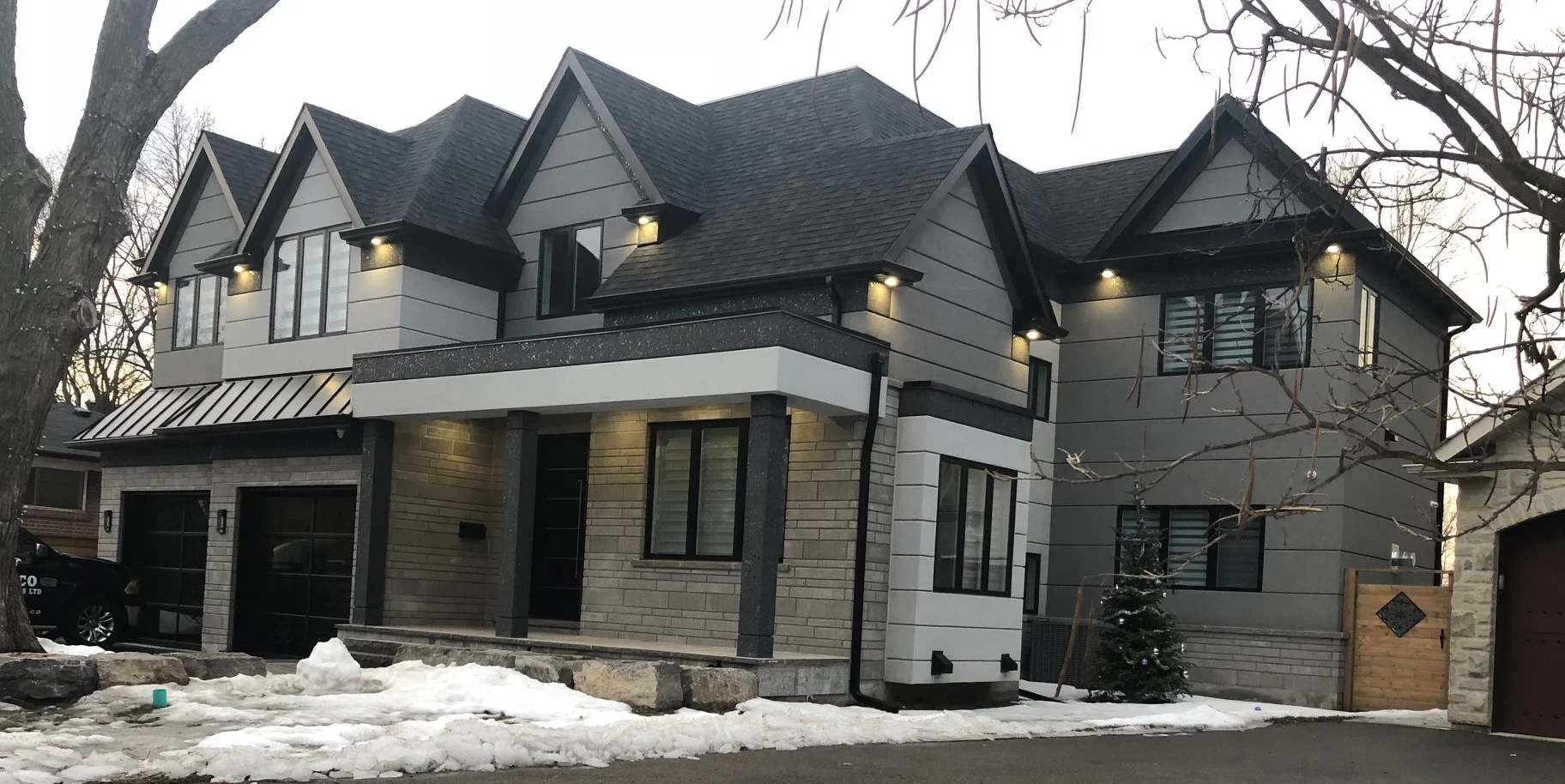
Residential stucco exterior finished by Stucco Wall SystemsCommercial stucco facade completed in the Greater Toronto AreaNew build home with a freshly applied EIFS stucco systemNatural stone accent installed alongside stucco wallsSoffit, fascia and eavestrough finished with the stucco workDetached GTA home after a full exterior stucco installationTwo-storey stucco home with arched garage baysLow-rise commercial building refinished in acrylic stuccoModern grey custom home in stucco and stone veneerLuxury home exterior remodelled with new stucco and trimResidential stucco exterior finished by Stucco Wall SystemsCommercial stucco facade completed in the Greater Toronto AreaNew build home with a freshly applied EIFS stucco systemNatural stone accent installed alongside stucco wallsSoffit, fascia and eavestrough finished with the stucco workDetached GTA home after a full exterior stucco installationTwo-storey stucco home with arched garage baysLow-rise commercial building refinished in acrylic stuccoModern grey custom home in stucco and stone veneerLuxury home exterior remodelled with new stucco and trim
FAQ

Stucco restoration questions, answered straight

What is the difference between stucco repair and stucco restoration?
Repair is localised: specific cracks, an impact hole or one failed section, typically $450 to $2,500. Restoration treats the whole exterior — repairs first, then joints and sealants renewed, then complete elevations re-coated with a new finish. You restore when the finish has aged out across the house or when repeated patches are visible from the street, because at that point another repair only adds to the patchwork.
How much does stucco restoration cost in Toronto and the GTA?
Refinishing a full elevation runs about $9 to $16 per square foot; if the base coat needs re-meshing first it runs $14 to $24. A whole-house restoration on an average detached home usually lands between $14,000 and $34,000 — roughly 40 to 60 percent of a full tear-off and replacement, because the insulation and substrate stay in place. Every quote is fixed and in writing after we see the walls.
Can old stucco really be restored, or should it be replaced?
It can almost always be restored if the substrate is dry and sound and the system is still bonded. Replacement becomes the honest answer when large areas sound hollow, when the sheathing behind is wet or rotted, or when repeated repairs keep failing. We open a small test area before quoting so the recommendation is based on what is actually behind your finish rather than a guess.
Will the restored colour match the rest of my house?
It does not need to. On restoration we re-coat complete elevations and stop at corners and control joints, which are natural break lines, so there is no patch to match. If you are only doing part of the house we will tell you honestly how visible the transition will be before you commit.
How long does a stucco restoration take?
A typical detached home takes one to three weeks depending on size, how much repair work is needed first, and the weather. Base coats have to cure before finish coats go on, which is the step that cannot be rushed. We work April to November in Ontario because cementitious materials need sustained temperatures above about 5°C to cure properly.
Do I need to move out during the work?
No. All the work is on the exterior. We will ask you to keep windows closed on the elevations being worked on, and to move vehicles and patio furniture clear of the working area. Access to your doors is maintained throughout, and the site is cleaned at the end of every day.
How long will a restored stucco exterior last?
A properly restored exterior with an integrally coloured acrylic finish lasts decades — the colour is through the material, so it never needs repainting. The wear item is sealant, which should be inspected every few years and renewed roughly every 5 to 10 years. Our maintenance guide covers the seasonal checks that prevent the next restoration.
Where we work

Oakville-based, serving the Greater Toronto Area

We are a service-area contractor: no showroom, we come to you. Our crews cover Halton, Peel, Toronto and York Region — roughly a one-hour radius of Oakville.

We do not take work outside the GTA — if you are in Windsor, Essex County, Ottawa or elsewhere in Ontario, we are the wrong contractor for you and would rather say so than waste your time. Full list of areas: service areas.

25+years in stucco & EIFS
4.3★Google rating — real reviews
100sof projects across Ontario
24hopen — call anytime

Ready to upgrade your exterior?

Tell us about your project and get a free, fixed written quote. Oakville-based, serving the whole GTA — open 24 hours.

Get a free quote Call (905) 973-6470