Microcement in Toronto
A 2 to 3 mm cement finish over the floor or wall you already have, done in an occupied Toronto building: the elevator, the dust, the days out of use, and the honest answer about outside walls.
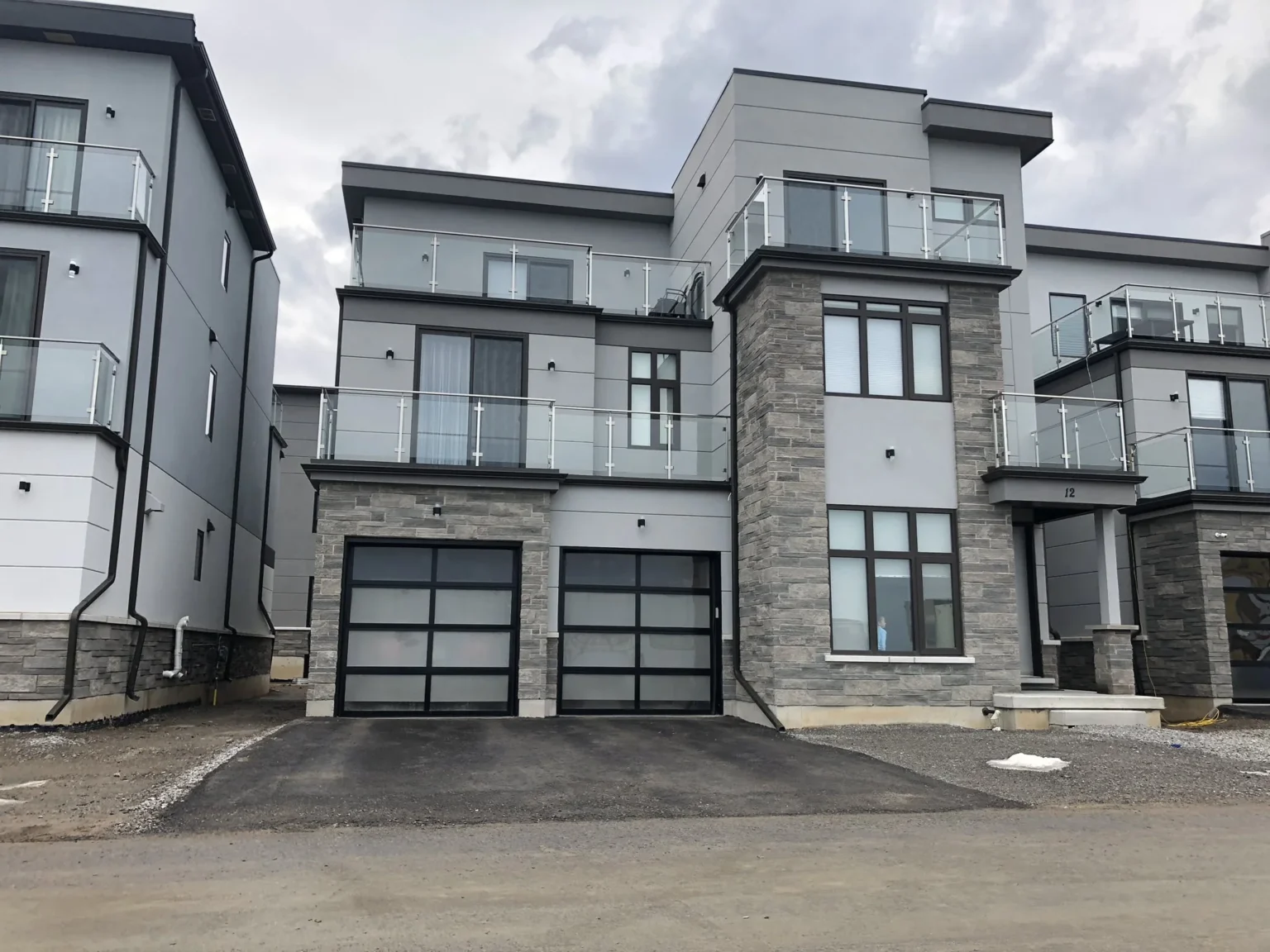
Microcement is a cement coating about 2 to 3 mm thick that goes on top of the floor, wall or counter you already have, and leaves one continuous surface with no grout lines.
Most of the Toronto rooms we are asked to quote have two things in common: somebody lives in them, and what is underneath is tile nobody wants broken out. That is what this page is about. Not what the material is, but how the work reaches a Toronto address, how many days the room is out of use, and what we put on a wall that has to stand a Toronto winter.
Where the material questions are answered
Three pages carry the detail of the material, so this one can stay on the Toronto job.
- The material itself
- How the layers are built up, what it bonds to and how it is looked after is on our microcement finish page.
- Floors over tile
- The gap under the door, the four tests we run before pricing and the rooms it suits are on the microcement floors page.
- A wall that reads as concrete
- For the grey panelled look on a feature wall or a whole front, both materials are set side by side on concrete-look walls.
Outside, on a Toronto wall
The question we are asked most from this city is whether microcement can go outside. It turns on one thing: whether the wall gets rained on and then frozen, or whether it sits under cover. Water that gets behind a 2 mm coat lifts it when it freezes, and a Toronto winter crosses zero dozens of times between November and March.
Under cover: microcement
A soffit, the wall of a covered porch, a protected feature wall, the ceiling of a carport. These stay dry enough, and the finish is specified with a sealer made for outdoor use, which holds the colour against the sun.
You get the same flat grey surface outside the door as inside it, in the same colour.
In the weather: smooth stucco
The front of a house, a garden wall, a parapet, a garage face. These want a cement finish built for freeze and thaw, laid on a base screeded flat with reveal lines cut into it. From the sidewalk it reads as poured concrete panels.
This is what we specify on an exposed Toronto elevation, with the same crew and the same trowel work.
A smooth architectural finish with a flat screeded base, planned reveals and approved sample panels runs $30 to $40 per square foot. The concrete-look walls page compares the two materials, and the smooth stucco finish page shows the trowel work close up.
Three Toronto addresses, three different jobs
The material costs the same at all three. What changes is how it gets to the room, where the water comes from and where the dust goes, which is why we ask about the building before we quote.
A condo on the 18th floor
Downtown, King West, North York towers| Getting in | The service elevator is booked for a window, so tools, bags and the grinder go up in one trip instead of five. |
|---|---|
| Water | From the unit itself. We ask which tap, and whether the laundry tub is near the room. |
| Dust | Grinding the old surface is the dusty hour. The grinder runs on a vacuum and the doorway is sealed, because the corridor is shared. |
| What it changes | Labour, not material. A booked elevator and a protected corridor are time, and the building usually wants the hours in writing. |
A semi with no driveway
Leslieville, the Junction, Dufferin Grove| Getting in | Through the front door, past whatever is in the hall. Floor protection starts at the step, not at the room. |
|---|---|
| Water | The kitchen or the bathroom. In winter a hose through an open door is out, so mixing moves inside. |
| Dust | The same sealed doorway, and on a cold day the windows stay shut, so the extraction has to do the work. |
| What it changes | Parking and carrying. A street permit for the van costs less than losing an hour a day to a spot three blocks away. |
A detached house with a garage
Etobicoke, Scarborough, Don Mills| Getting in | The garage becomes the mixing room and the store. Nothing wet travels through the house. |
|---|---|
| Water | An outside tap in summer, the laundry tub in winter. |
| Dust | Doors shut, the grinder still on a vacuum, and a window in the room helps the coats dry evenly. |
| What it changes | This is the quickest of the three, and the one where a big open floor is finished in the fewest days. |
What moves the price of a Toronto job
Microcement is priced by the area and by what has to happen before the first coat. These are the six things we look at on the visit, in the order they move the number.
What is underneath
Tile, a concrete slab, plywood, drywall or an old coating. A base that flexes needs work before anything goes over it.
How flat it is now
A floor out by more than a few millimetres gets a levelling layer first. A 2 mm coat copies every hollow it is laid over.
Moisture
A basement slab or a wall that has been wet is tested before we price it. Trapped moisture is what makes a coating bubble later.
Edges and corners
Doorways, thresholds, drains, pipes and shower corners. The flat middle is quick; the details are the day.
Access
The elevator, the stairs, the parking, and how far the mixing station sits from the room.
Colour and sheen
A sample panel made on your own surface and looked at in your own daylight, before the room is committed.
The site visit and the written quote are free, and the price on that quote is fixed. We are insured and WSIB covered, the work carries our workmanship guarantee, and our crews have worked cement finishes for 25+ years.
How many days the room is out of use
A bathroom or a mid-sized floor takes 3 to 5 working days on site, drying time between coats included. In an occupied Toronto flat that is the number that matters, so here it is as days rather than as coats.
| When | What happens | The room |
|---|---|---|
| Day one | Protection goes down, the old surface is ground and primed. The loud, dusty part is over on the first day. | Closed |
| Days two and three | Base coats, then the finish coats, each left to dry before the next one goes on. Quiet work. | Closed |
| The last day | Sanding, then the sealer. Nobody walks on it until the next morning. | Closed |
| The next morning | Light walking in socks or clean shoes. | Careful use |
| About seven days after sealing | Furniture, rugs and mats go back, and a bathroom goes into full wet use once the sealer has cured. | Yours again |
What we ask about the building
Photos of the surface tell us most of what we need, and the floors page lists the four shots to take. For a Toronto address there are five more things, and they are about the building rather than the room.
- Which floor, and is there a service elevator?
- It decides whether the material goes up in one booked trip or five trips on a passenger lift.
- What does the building ask of a contractor?
- Working hours, insurance papers, a deposit, protection for the corridor. The property manager has the package.
- Where is the nearest tap to the room?
- It sets where the mixing station stands, which is the difference between a tidy job and a wet hallway.
- Does the room have a window that opens?
- If not, we bring a fan. Coats that dry unevenly show up later in the sheen.
- Where can a van stand for the day?
- On a narrow street a permit costs less than an hour a day of carrying.
Text those five answers and the photos to (905) 973-6470 and we can usually price the job on one visit. The line is open 24 hours, 7 days a week, and Musa calls back within a day.
Microcement questions from Toronto
Can microcement be done in a Toronto winter?
Will microcement crack on an outside wall in Toronto?
Do you work in condos, and what does the building need from you?
Is microcement cheaper than taking the tile out and starting again?
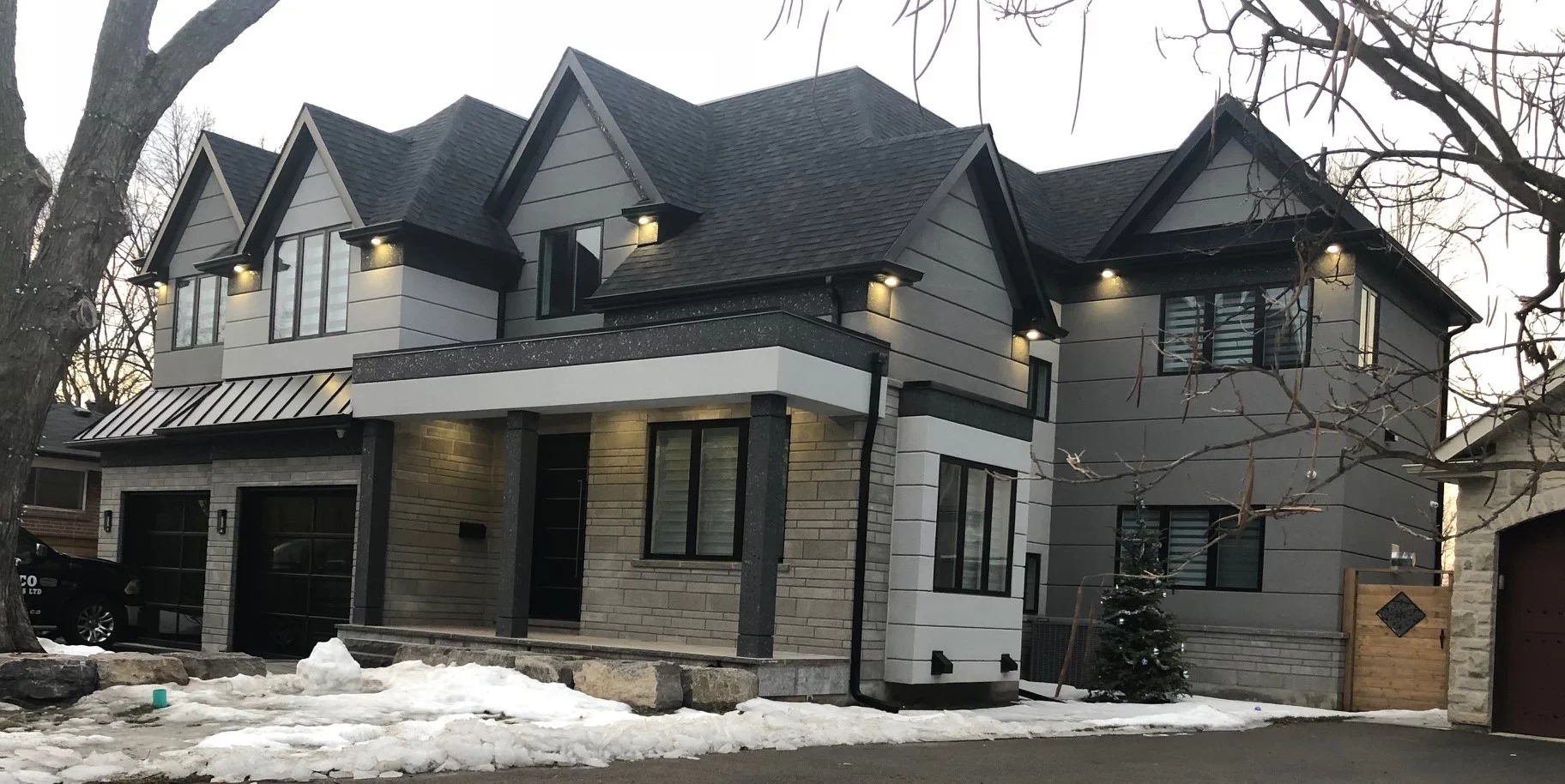
Ready to upgrade your exterior?
Tell us about your project and get a free, fixed written quote. Oakville-based, serving the whole GTA. Open 24 hours.
Want a price for your own wall?
Send your name, a phone number and what the wall is doing. Musa calls you back to book a free site visit, usually within a day, and the written quote after the visit is fixed. Would rather talk now? Call (905) 973-6470.