Colours & Finishes

Stucco Colours & Finishes in Oakville & the GTA

The finish coat is the only part of the wall you ever see and the only part you choose. We panel it before we commit an elevation to it, order colour a whole elevation at a time, and tell you honestly how close a match on an existing wall will get.

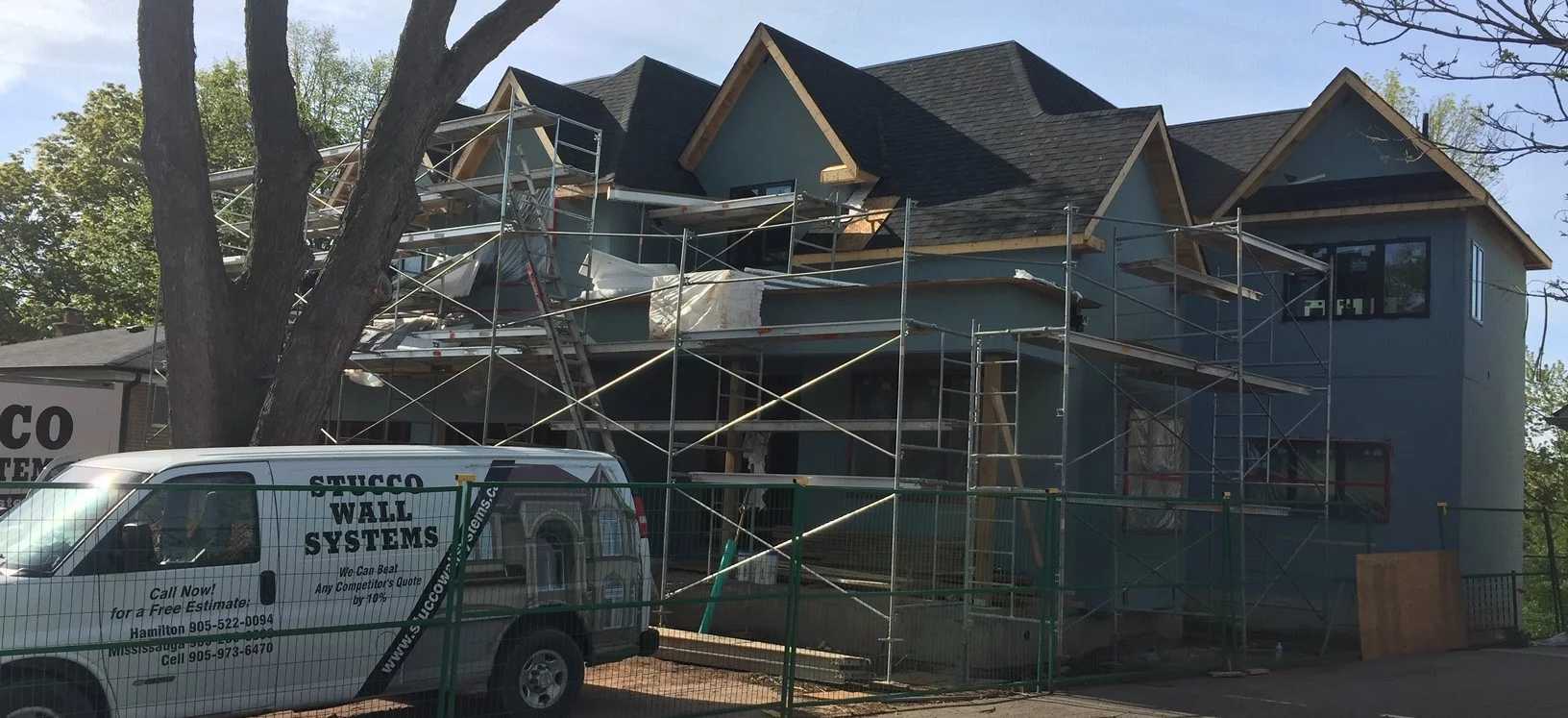
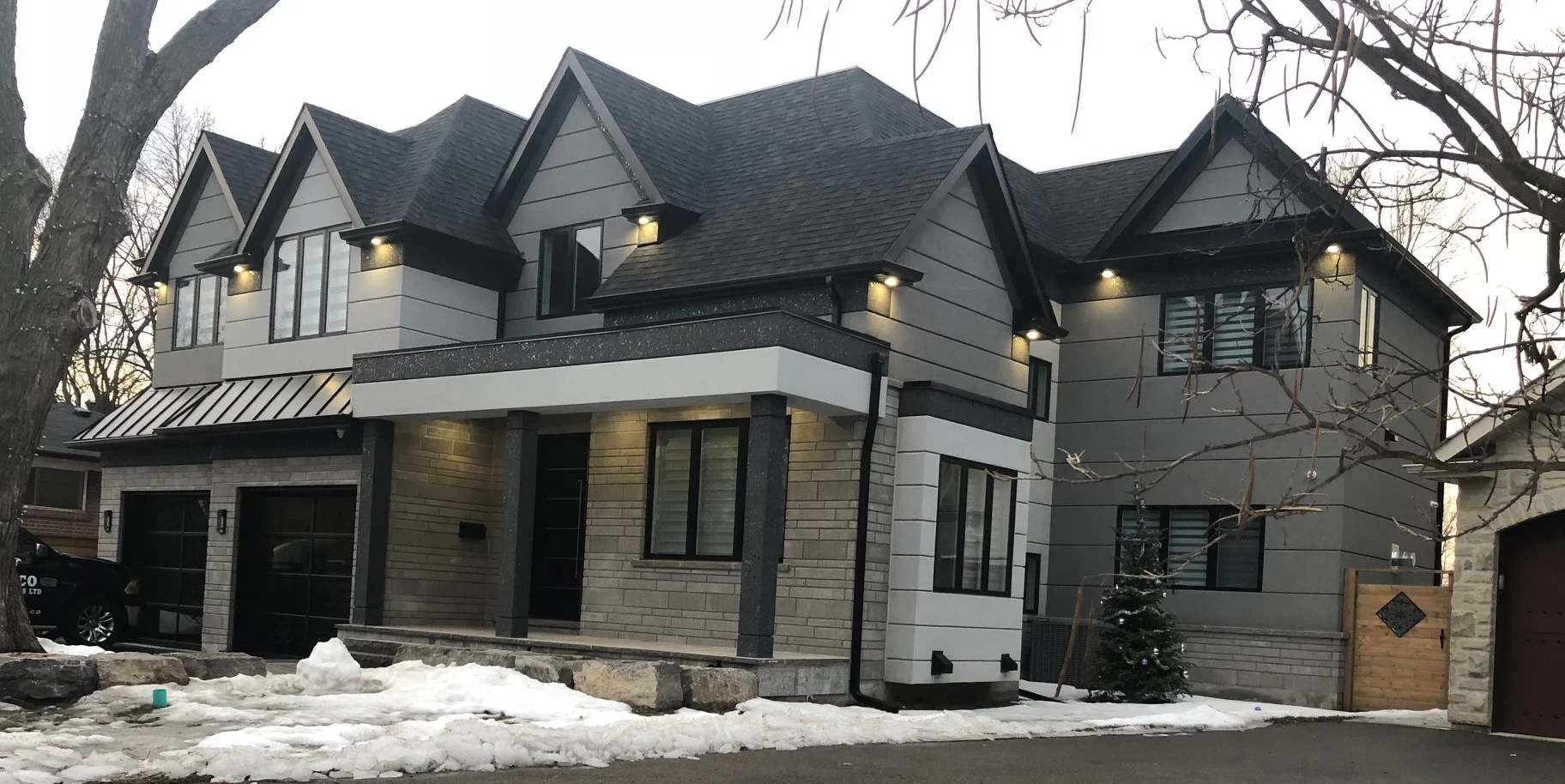
Stucco Colours & Finishes in Oakville & the GTA — Stucco Wall Systems project photo
25+Years of hands-on experience
4.3★Google rating — 11 reviews
InsuredFully insured & WSIB covered
FreeFixed written quotes
WarrantyWorkmanship guarantee
GTAOakville-based, GTA-wide
Start here

The finish coat is the only part of the wall anyone ever sees

Everything we build under the finish — lath, fasteners, base coat, mesh, flashing, weep screed — is buried the day it goes on. What is left on show is a layer roughly a sixteenth to an eighth of an inch thick. That thin skin is the entire appearance of your house for the next twenty years, and it is the one part of the job you actually choose.

There are only two decisions in it. Texture is how the material is worked while it is still soft. Colour is whether the pigment is through the material or painted on top of it. Both are settled before the crew opens a bag, because neither can be changed afterwards without redoing the coat.

If you are still deciding which you want, we wrote the plain versions of both separately — choosing a stucco colour that still looks right in fifteen years and the stucco finish textures and what each one is good at. This page is the other half: how each finish is actually put on the wall, what it demands from the base coat underneath, and what happens when somebody has to match it years later.

The method

How each texture is worked onto the wall

Every one of these comes out of a similar bag of material. What separates them is the tool, the timing and how flat the base coat underneath has to be — and that last one is where the labour cost lives.

Sand and float

The GTA workhorse

Worked with a float in a circular motion so the fine aggregate in the material rolls into an even grain. It is the most forgiving finish on the wall: the texture carries enough visual noise to absorb small waves in the base coat and small differences between one trowel-load and the next. It is also the easiest of the four to patch convincingly later, which matters more than people expect on a house that will eventually need a repair.

Smooth trowel

Modern, and the least forgiving

Steel-trowelled flat, with no aggregate texture to hide behind. Every wave in the base coat, every place a trowel stopped and started, and every join between two days' work will show in raking afternoon light. The finish material costs no more; the money goes into getting the base coat genuinely flat and into running whole elevations without a break. We quote it higher for that reason and we will say so on the visit.

Dash and heavy aggregate

Durable, and permanent in a way people forget

Thrown or sprayed onto the wall rather than trowelled flat, leaving a coarse, hard-wearing surface. It takes impact well and it hides repairs better than anything else here. The trade-off is at the other end of its life: a heavy dash is the hardest texture to match on a patch, because you are matching aggregate size and throw pattern as well as colour.

Knockdown and lace

Texture, then flattened back

Applied with texture, left to firm up, then flattened with a trowel to leave raised islands with flat tops. The whole finish depends on catching it in the right minutes. A wall in direct sun firms up faster than the shaded elevation around the corner, so the crew works to the wall in front of them rather than to a clock, and that is why the same house can need different timing on each side.

All four are worked by hand. Two crews with the same material produce two visibly different walls, which is exactly why we panel a finish before we commit an elevation to it — that is the next section.

Colour

Integral colour or paint, and why we push integral

Integral colour means the pigment is mixed through the finish material itself. Scratch it, chip it, or take a corner off with a ladder and the colour underneath is the same colour. There is no film to fail, nothing to peel, and no repainting cycle to budget for. It is what we specify on effectively every new stucco and EIFS elevation we build.

Paint is the answer to a different question: a wall that already exists and is the wrong colour. It works, and we do it — it is set out on our exterior painting page. What you are taking on with it is a coating that has to be maintained on a cycle, and a product decision that matters more than the colour does. The wrong film on stucco traps moisture in a wall built to let it out, which is the whole argument in the rules for painting stucco.

Colour is mixed in batches, and two batches are never identical. So we order the material for a complete elevation in one go rather than topping up mid-wall, and we keep the batch and formula details on file for the house. When somebody calls us four years later about a cracked corner, that record is the difference between a repair that blends and one that announces itself.

On dark colours we will give you one piece of information before you choose. Darker finishes absorb noticeably more heat, which means more daily expansion and contraction in the coat, and they show dust, efflorescence and hard-water marks more plainly than a mid-tone does. Over foam-insulated systems it goes further than preference: manufacturers publish a minimum light-reflectance value for finishes over EPS, because heat build-up behind a dark coat is a real limit on those assemblies. We will tell you where your colour sits against that before it is ordered, not after.

The work

Matching a finish on a wall that is already standing

Most of the finish work we are called for is not a blank wall. It is an addition, a repair, or one elevation being brought back — and it has to sit next to something that already exists.

1. A sample panel goes up before the wall does. Mixed from the batch we will actually use, worked by the person who will actually work the elevation, and left to cure. Wet stucco is not the colour of cured stucco, and judging a finish off a wet panel is how people end up with a house two shades off what they picked.

2. We look at it outdoors, cured, in the light that matters. On the elevation it belongs to, at the time of day that wall is normally seen. A colour chosen under a garage light or against a north wall does not survive first contact with a south elevation in August.

3. We tell you honestly how close a patch will get. A repair blended into a twenty-year-old wall gets close enough that most people stop seeing it within a season. It does not vanish, and anybody promising you it will has not done many of them. The detail is in why a stucco patch never quite matches.

4. New work stops at a corner or a control joint. Never in the middle of an elevation. A finish change on a flat run will read as a patch in low light no matter how good the colour match is, so we plan the new work to end where the wall already has a natural break.

5. Sometimes the honest answer is the whole elevation. Fifteen years of weather changes a wall — not the pigment failing, just dirt, sun and rain doing their work evenly across it. New material matched to the original formula will read brighter than its neighbour because the neighbour has aged. When a repair is large enough that this will show, re-coating the elevation costs less than doing it twice, and that is a restoration conversation rather than a repair one.

Season: April to November, same as the rest of the cement work on the house. Finish coats are the fussiest part of that rule, because colour development and curing both suffer in the cold — the timing is in the best time of year for stucco work in the GTA.
Cost

What the finish choice does to your quote

On new work the finish is part of the installed price, not a line item bolted on afterwards — our normal residential range is $8 – $16 per square foot installed. Texture and colour move your house within that range. They do not create a separate bill.

What you have chosenWhere it lands in the range
Sand and float, integral colourStandard mid-tone, straightforward elevationsLower half
Smooth trowelFlat base coat and unbroken elevation runsUpper half
Knockdown or laceTiming-dependent, more hands on the wall at oncePushes upward
Custom or deep colourNon-standard pigment, ordered for the whole elevationPushes upward
Matching a finish on an existing wallSample panels, then blending into what is therePriced with the repair

For a rough number before anyone visits, our stucco cost calculator will get you inside the right band. What it cannot do is see your base coat, and on a smooth finish that is most of the cost — which is one of the reasons a phone quote on this work is worth so little. The rest are in the red flags in a stucco quote.

Straight answer

When we talk you out of a finish

When you want smooth on a wall with a history of cracking. A smooth finish displays a hairline crack at full length in a way a sand float simply does not. If the wall has moved before, it will move again, and putting the least forgiving finish on it means seeing every bit of that. We will do it if you want it after hearing that — but you should hear it first.

When one elevation is getting a different texture from the rest. It reads as a repair from the street even when the workmanship is perfect, because the eye catches the change at the corner. Either carry the texture around to a natural break or do the house.

When a dark colour is going on a full south elevation over foam. See the light-reflectance limit above. This is a manufacturer's number rather than an opinion of ours, and we would rather lose the colour than build a wall outside it.

When the finish you are matching has been discontinued. Some older aggregate finishes cannot be reproduced with anything currently sold. On a small repair we get close. On a large one, matching the unmatchable costs more than re-coating the elevation and still looks worse, and we will show you both numbers rather than only the one you asked for.

We are based in Oakville and run crews across the GTA. Send a photo of the wall in daylight and the address, and we will tell you what finish is on it now, what it would take to match or change it, and what that costs — free, fixed, in writing. Book a free assessment or call (905) 973-6470. Finished elevations from recent work are in the project portfolio.

How we work

From first call to finished wall

Site visit & honest diagnosis

We look at the actual walls and tell you what they need — and what they don’t.

Fixed written quote

System, prep, colour and timeline on paper. No hourly surprises.

Prep, detailing & finish

Control joints, mesh, flashing and finish coats done the way they should be.

Clean-up & walkthrough

Site left clean, and you sign off on the result before we leave.

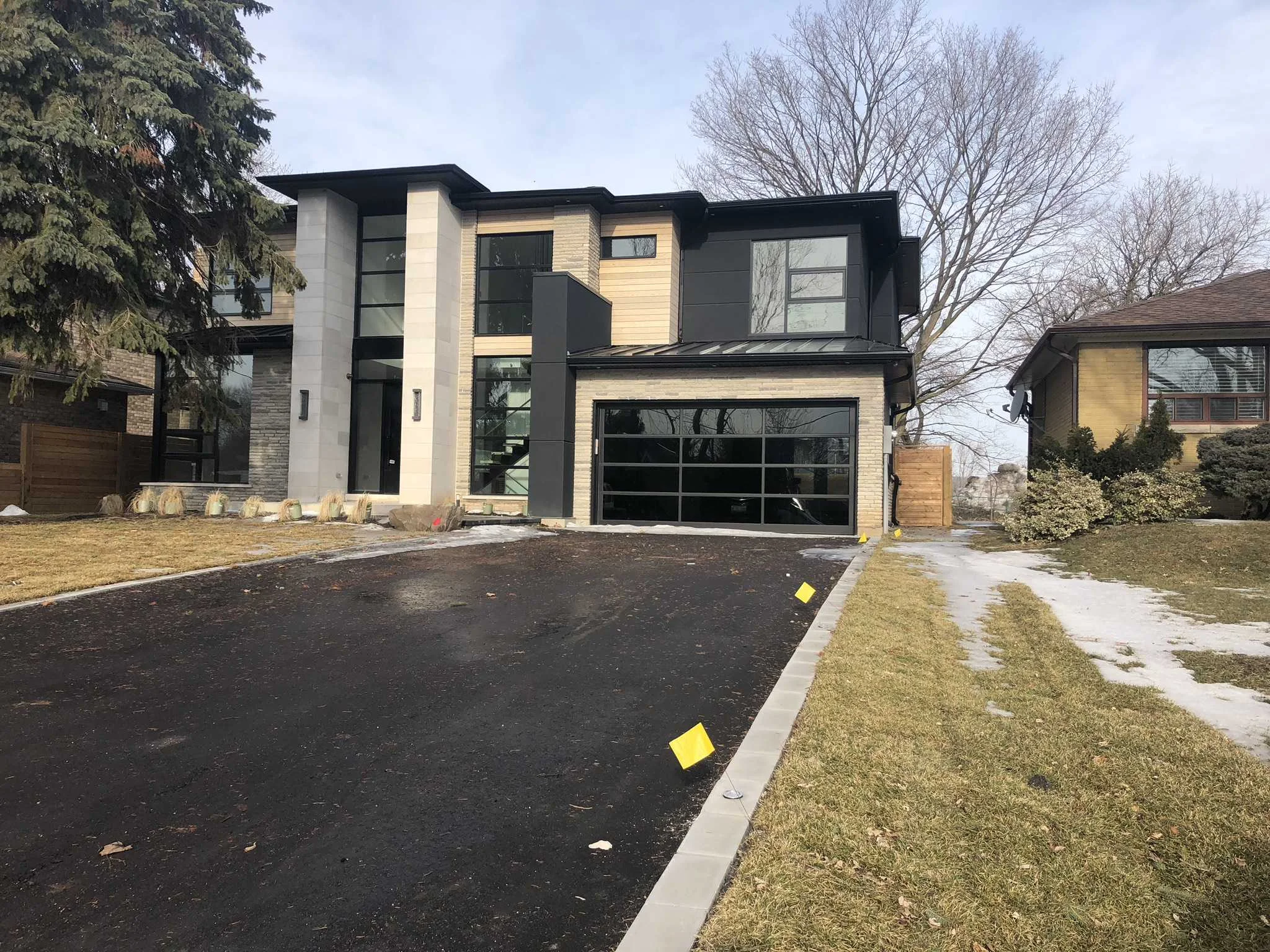
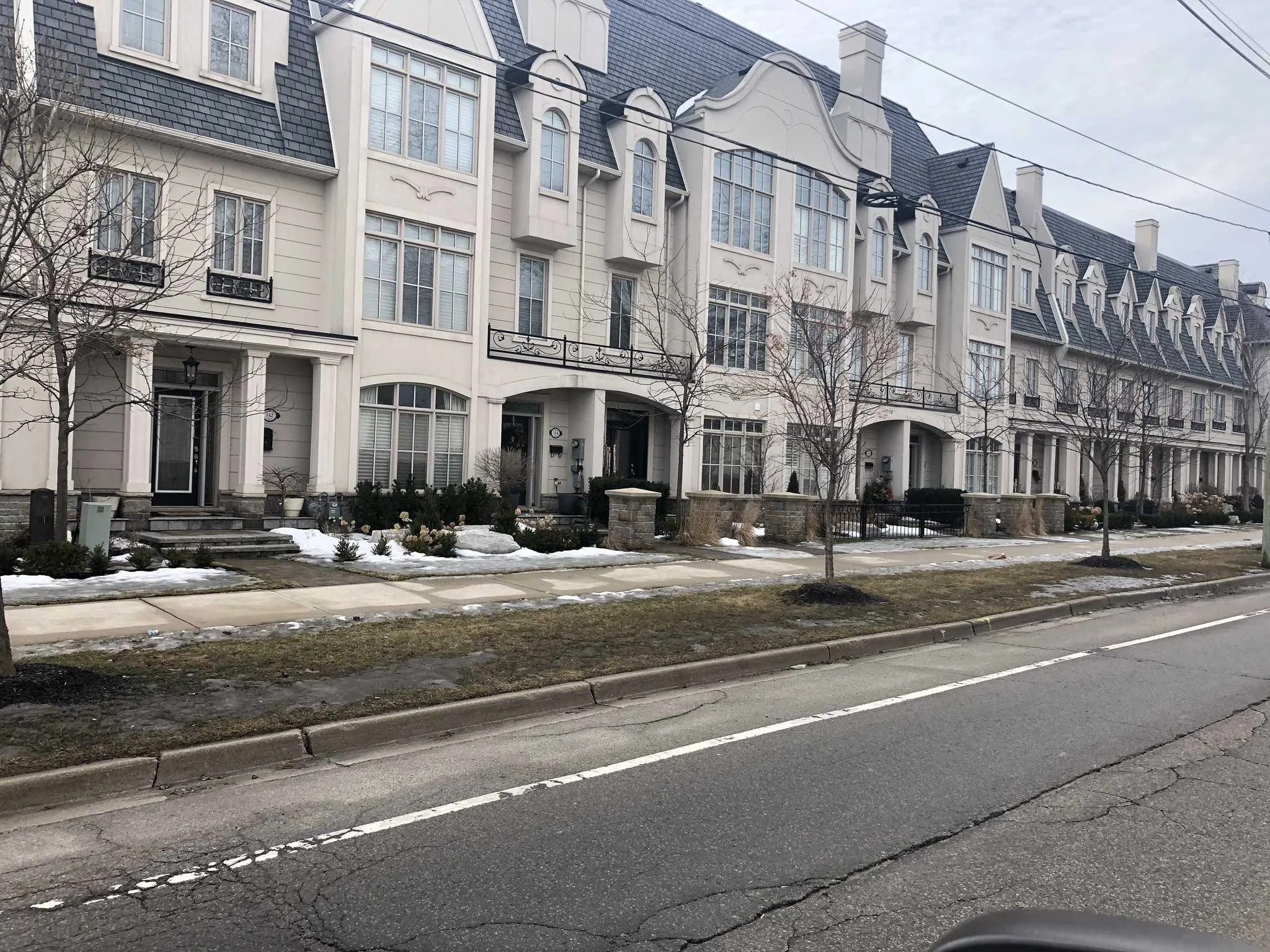
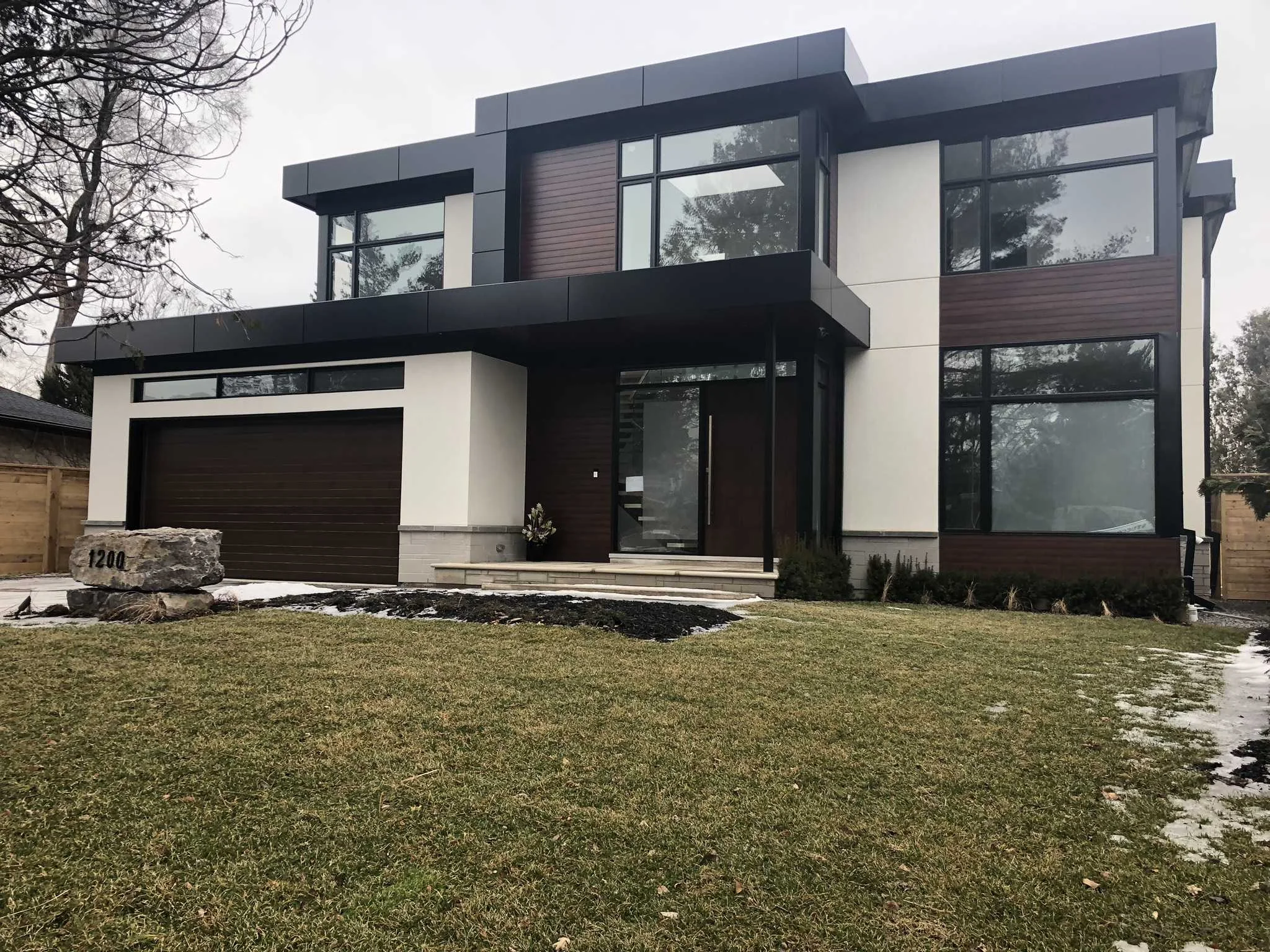
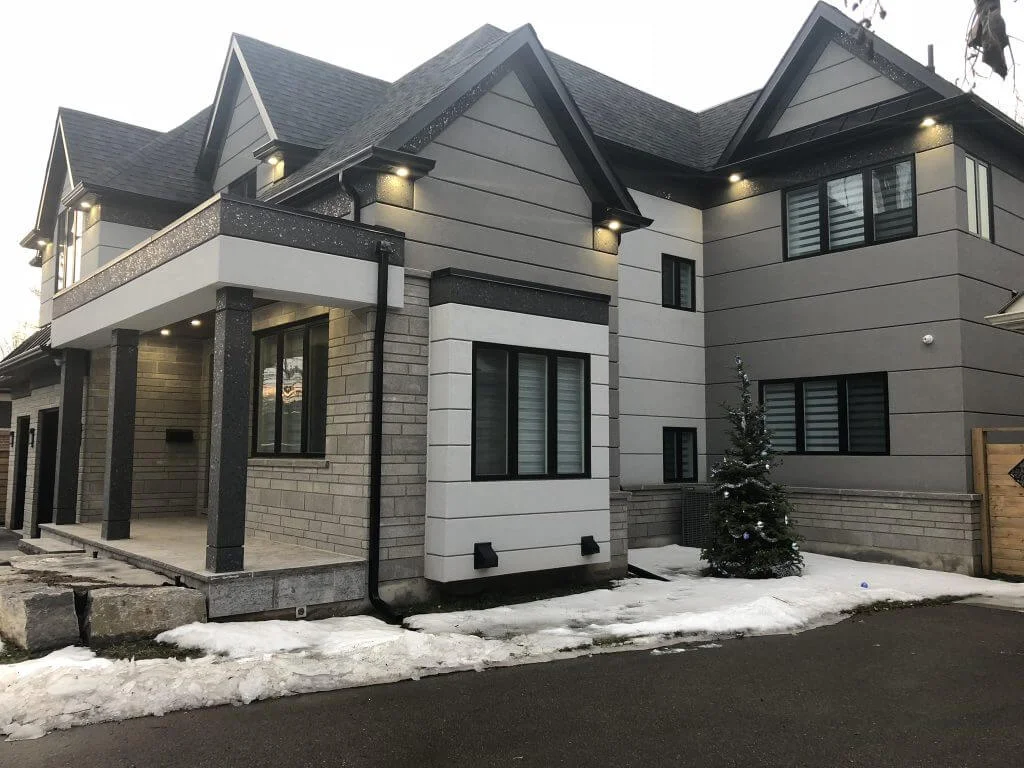
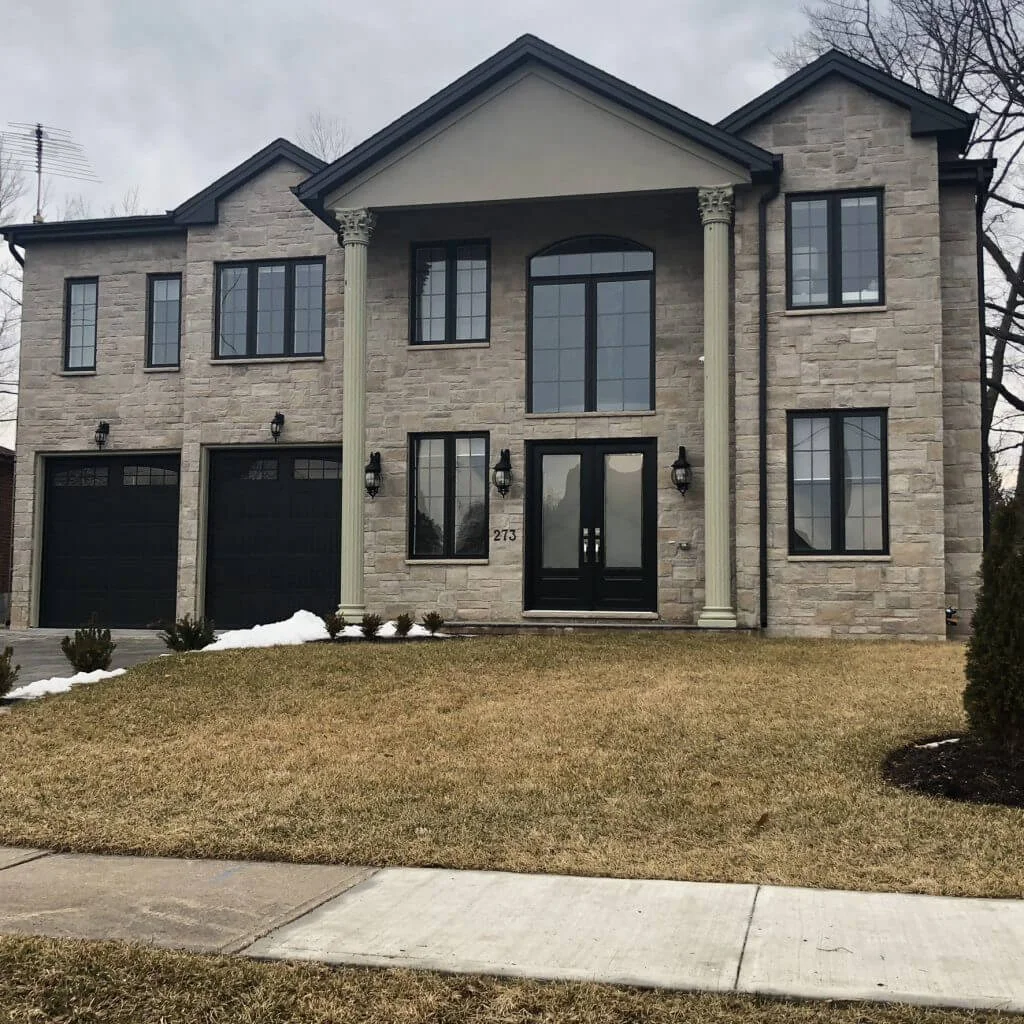
Residential stucco exterior finished by Stucco Wall SystemsCommercial stucco facade completed in the Greater Toronto AreaNew build home with a freshly applied EIFS stucco systemNatural stone accent installed alongside stucco wallsSoffit, fascia and eavestrough finished with the stucco workDetached GTA home after a full exterior stucco installationTwo-storey stucco home with arched garage baysLow-rise commercial building refinished in acrylic stuccoModern grey custom home in stucco and stone veneerLuxury home exterior remodelled with new stucco and trimResidential stucco exterior finished by Stucco Wall SystemsCommercial stucco facade completed in the Greater Toronto AreaNew build home with a freshly applied EIFS stucco systemNatural stone accent installed alongside stucco wallsSoffit, fascia and eavestrough finished with the stucco workDetached GTA home after a full exterior stucco installationTwo-storey stucco home with arched garage baysLow-rise commercial building refinished in acrylic stuccoModern grey custom home in stucco and stone veneerLuxury home exterior remodelled with new stucco and trim
FAQ

Colour and finish questions, answered straight

What stucco finish textures can I choose from?
The four we install most are sand and float, smooth trowel, dash or heavy aggregate, and knockdown or lace. Sand and float is the most common on GTA homes and the most forgiving of both the base coat and later repairs. Smooth is the modern look and the least forgiving, because it shows every wave in the wall underneath. Dash is the most durable and the hardest to match later. Knockdown is applied with texture and then flattened back once it starts to firm up.
What is the difference between integral colour and painted stucco?
Integral colour is pigment mixed through the finish material, so a chip or a scratch shows the same colour underneath and there is no repainting cycle. Paint is a film applied over a wall that already exists, which changes the colour of a finished house but has to be maintained and can trap moisture if the wrong product is used on a wall built to dry outward. On new stucco and EIFS we specify integral colour essentially every time.
Can you match the colour and texture of my existing stucco?
Usually close enough that people stop noticing it within a season, and we will tell you before we start how close we expect to get on your particular wall. We put up a sample panel from the actual batch, cure it, and look at it outdoors on the elevation it belongs to before committing. What we will not do is promise a patch disappears — on a wall that has weathered fifteen years it does not, and a contractor saying otherwise has not done many of them.
Does the finish I pick change what the job costs?
It moves you within our normal residential range of $8 to $16 per square foot installed rather than adding a separate charge. Sand and float with a standard integral colour sits in the lower half. Smooth trowel sits in the upper half, because the cost is in getting the base coat genuinely flat and running whole elevations without a break, not in the finish material itself. Knockdown and custom deep colours push upward.
Why does my stucco look a different colour than the sample?
Most often because the sample was judged wet or indoors. Cured stucco is not the colour of wet stucco, and a colour chosen under artificial light rarely survives a south elevation in full sun. The other common cause is material from two different batches on one wall, which is why we order a complete elevation at once instead of topping up part way through.
Are dark stucco colours a problem?
They need more thought rather than being off the table. Dark finishes absorb more heat, so the coat expands and contracts more each day, and they show dust and efflorescence more clearly than a mid-tone. Over foam-insulated systems there is a hard limit as well: manufacturers publish a minimum light-reflectance value for finishes over EPS because of heat build-up. We check your colour against that before the material is ordered.
Can I change the texture of my stucco without redoing the whole house?
You can, but plan where it stops. A texture change that ends in the middle of an elevation reads as a repair from the street no matter how good the work is, so we take new work to a corner or a control joint where the wall already has a natural break. Changing one elevation and leaving the others is the version that usually disappoints people.
When can finish coats be applied in Ontario?
April through November. The finish coat is the fussiest part of the season rule, because both curing and colour development suffer below roughly 5°C — a coat put on cold can cure patchy and hold that unevenness permanently. We book site visits and quotes through the winter and schedule the wall itself for the season.
Where we work

Oakville-based, serving the Greater Toronto Area

We are a service-area contractor: no showroom, we come to you. Our crews cover Halton, Peel, Toronto and York Region — roughly a one-hour radius of Oakville.

We do not take work outside the GTA — if you are in Windsor, Essex County, Ottawa or elsewhere in Ontario, we are the wrong contractor for you and would rather say so than waste your time. Full list of areas: service areas.

25+years in stucco & EIFS
4.3★Google rating — real reviews
100sof projects across Ontario
24hopen — call anytime

Ready to upgrade your exterior?

Tell us about your project and get a free, fixed written quote. Oakville-based, serving the whole GTA — open 24 hours.

Get a free quote Call (905) 973-6470